

Confronted by delays in signing a high-profile international tactician and the immediate urgency of starting the 2027 Africa Cup of Nations (AFCON) qualifying campaign, FAF President Walid Sadi appears to favor internal stability and historical legitimacy.
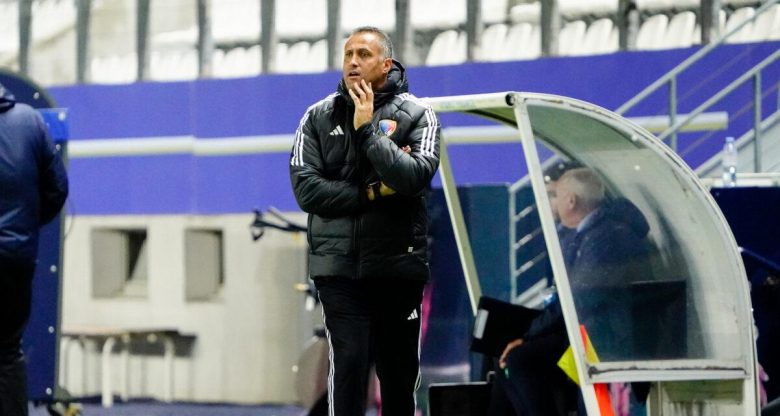
With less than three weeks remaining before the start of the 2026/2027 international window, the national team faced a worrying technical vacuum. Negotiations—notably surrounding foreign figures such as Spaniard Félix Sánchez Bas—failed to yield a timely agreement. Amid this race against the clock, crisis management efforts birthed the idea of a 100% homegrown management team deeply rooted in Greens history: Brahim Hemdani paired with Anthar Yahia. Initially floated as a stopgap measure for the opening two qualifiers against Zambia and Burundi, the prospect of this interim staff continuing through the 2027 AFCON finals (scheduled for summer in East Africa) is gaining serious traction within Algerian football decision-making circles. Appointed in July 2026 to lead the U20/U21 selection following Razik Nedder’s resignation, the former Olympique de Marseille and Glasgow Rangers midfielder delivered a masterclass at the Taranto 2026 Mediterranean Games. With minimal preparation time, he guided the young Greens to a historic gold medal, decisively defeating Tunisia 2-0 in the final. His tactical acumen, calm presence on the touchline, and man-management of a newly inherited squad impressed observers and technical leadership alike. This successful Italian triumph handed Hemdani immense credibility, instantly transforming him from a developing coach into a natural candidate to extinguish the senior team’s crisis. To support and solidify Hemdani’s debut at this high-pressure level, the FAF turned to another iconic national figure: Anthar Yahia. The hero of Omdurman brings his aura as a legendary captain, leadership disposition, and intimate knowledge of the national squad’s inner workings. In the federation’s preliminary strategy, Anthar Yahia assumes the role of key decision-maker and interim general manager, introducing essential organizational structure to the locker room. Hemdani’s tactical rigor, forged during his professional playing years across Europe, combined with Anthar Yahia’s charismatic leadership, offers solid paper guarantees to maintain squad cohesion. Yet, establishing the Hemdani-Yahia duo long-term does not command unanimous consensus across the Algerian football community. Certain analysts argue that entrusting one of Africa’s most high-profile teams to an unproven head coach represents an exceptionally risky gamble. Stepping up from youth development to the absolute demands of senior international football remains a massive hurdle that few coaches navigate successfully. Conversely, supporters of this direction applaud Walid Sadi’s boldness. They view it as a historic chance to elevate former international talents while breaking away from a routine reliance on expensive foreign managers who lack connection to local dynamics. Ultimately, some of modern African football’s finest chapters have been authored by internal appointments thrust into the spotlight by circumstance.