

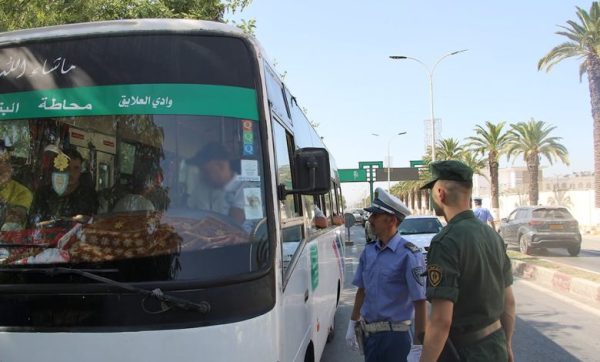
The persistent scourge of traffic disasters across our highway network has once again thrust public transport security into the spotlight. In a recent analysis, Professor Khdeir Kreibaa—also known as Said, a road safety authority and vice president of the National Consumer Protection Union (UNPC)—raised the alarm, calling on every stakeholder in the sector to unite in safeguarding bus passengers.
For the expert, crash prevention can no longer rest solely on the driver’s shoulders. It must function as an interconnected chain of accountability binding drivers, fare collectors, commuters, transit operators, and regulatory enforcement bodies. This collaborative strategy remains vital for refining transit conditions while cutting down on casualties and fatal collisions.
Professor Kreibaa emphasizes that collective transport safety demands sharper coordination among involved parties. Strict adherence to traffic codes, heightened behind-the-wheel alertness, structured passenger management, and intensified roadside checks form the primary pillars of an effective prevention strategy.
“Beyond individual habits, this methodology calls for elevated service quality and greater user accountability,” he noted, stressing that the ultimate goal is instilling a genuine culture of road safety where every individual fulfills their role to ensure secure transit and eliminate this widespread threat.
In his view, safety enhancements stem fundamentally from improved coordination. Constant vigilance, compliance with road rules, respectful passenger engagement, and continuous awareness represent essential elements in minimizing accidents and optimizing transit operations.
The Driver: First Link in the Chain
In his briefing, Professor Kreibaa highlights that primary responsibility falls naturally upon the operator, who must maintain complete focus on the road. He reinforces that obeying speed limits, keeping safe follow distances, and respecting traffic laws remain mandatory to prevent crashes.
Furthermore, he stresses that operators must avoid driving while fatigued, exercising heightened caution during long-haul trips and through hazardous areas such as sharp turns. Any haste or distraction directly jeopardizes all onboard.
Turning to the fare collector, the expert views this role as vital to risk management. Beyond ticket sales and managing passengers, the collector must ensure they do not distract the driver while maintaining proper transit conditions.
This oversight must be mutual: the collector should monitor the driver’s physical state and flag early signs of exhaustion. They must also manage luggage distribution to prevent weight imbalances that destabilize the vehicle.
Compliance with passenger transport regulations remains equally critical. Issuing a ticket to every traveler, prohibiting standing passengers when conditions forbid it, and maintaining strict arrival schedules and bus stop stops form necessary safeguards.
Regarding rest breaks on extended journeys, the expert urges operators to select clean, fairly priced rest stops to serve traveler interests properly.
Empowering the Commuter
Passengers are not merely passive service recipients; they must act as responsible citizens and consumers. Professor Kreibaa insists travelers always demand their tickets, reject regulatory breaches, and report dangerous behaviors like speeding, aggressive driving, or mobile phone use at the wheel.
Reporting mechanisms should also cover collector misconduct or poor rest stop conditions. The aim is to foster widespread accountability and allow competent authorities to intervene before hazardous practices harm commuters.
Onboard, preserving public order and tranquility remains imperative. Commuters must refrain from any behavior that disrupts the operator or impedes fellow passengers.
Strengthening Oversight and Awareness
To curb collisions, Professor Kreibaa advocates for stronger regulatory mechanisms and ongoing training for drivers and fare collectors, focusing on safety protocols, customer relations, and service quality.
He adds that road safety education must begin early, integrating safety culture into school curricula and running persistent broadcast media campaigns to nurture responsible habits.
Finally, reinforcing field inspections remains essential to curb infractions and guarantee safety compliance across transit networks. Mass transit security cannot rely on a single actor—it demands a solid chain of responsibility uniting drivers, collectors, commuters, regulators, and society at large.