

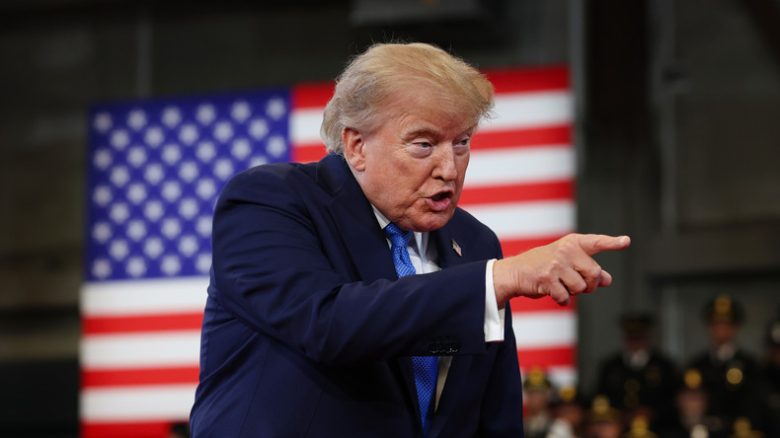
Trump is threatening sanctions against nations and companies maintaining trade with Iran in an effort to escalate pressure. Tehran condemns the move as “economic terrorism,” while the suspension of commercial ties by the Emirates is already compounding the strain. China, as the top buyer of Iranian crude, stands as the primary hurdle to the American strategy. Donald Trump announced a new offensive on August 19 designed to economically isolate Iran, as negotiations to end five months of conflict remain deadlocked. Posting on Truth Social, the American president promised “economic warfare” of unprecedented scale following what he described as Tehran’s failure to seize the opportunity for a deal. Washington now threatens secondary sanctions against any country or firm continuing to prop up the Iranian economy. Financial institutions, corporations, airports, currency exchange houses, front companies, and maritime registries are all directly targeted. Trump specifically intends to dismantle the networks enabling Tehran to covertly move its oil and repatriate export revenues.
The Standoff Between Beijing and Washington
The United States already enforces heavy sanctions against Iran’s energy, financial, and maritime sectors. Since the outbreak of the conflict, Washington has also imposed a naval blockade and intensified measures against tankers and intermediaries accused of assisting Tehran. Iran denounces this as a fresh wave of “economic terrorism”. Foreign Minister Abbas Araghchi argued that these threats serve to deflect attention from America’s own internal struggles, specifically pointing to record national debt and surging interest costs. According to him, the American approach endangers “the global economy and sovereignty” of other nations.
The announcement arrived shortly after the United Arab Emirates suspended commercial and financial transactions with Iran, a decision that carries significant weight for Tehran given the central hub role played by Dubai and Jebel Ali in its foreign commerce.
A major obstacle remains: China, the primary destination for Iranian oil. Washington could tighten sanctions on financial entities dealing with independent Chinese refineries that continue purchasing Iranian crude. However, Beijing rejects the extraterritorial application of U.S. sanctions. Turkey and Iraq also represent commercial pathways that prove difficult to seal off completely. For Washington, the core challenge lies less in declaring new measures than in enforcing—rapidly enough to alter Tehran’s calculus—an economic isolation it has sought to achieve for years.