

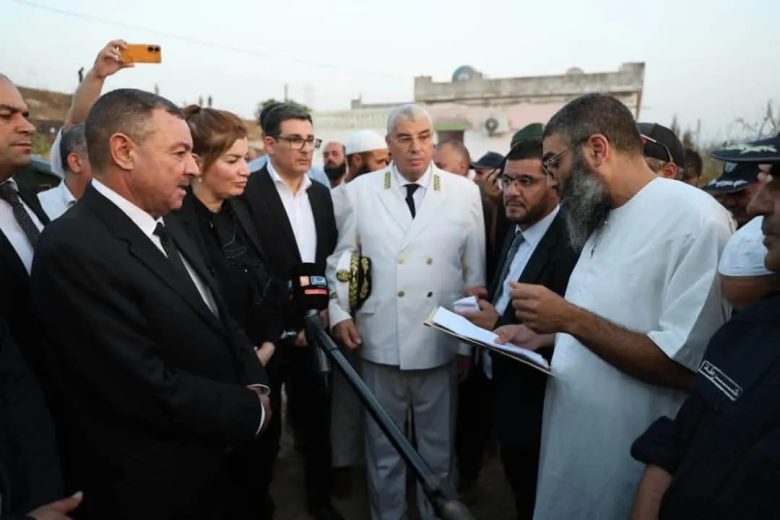
Following the wildfires that affected several provinces across the country since early July, the state is launching the compensation phase for disaster victims. In line with directives from the President of the Republic, individuals suffering damage to homes, structures, crops, and livestock will receive support through an operation scheduled for completion no later than the end of August 2026, according to an official statement released Monday by the Ministry of the Interior.
As part of managing the wildfire aftermath, “competent authorities will compensate all affected individuals following the completion of damage assessment and census operations,” the ministry noted. “Compensation will cover recorded material losses, particularly those affecting structures and housing, as well as damage to agricultural holdings, crops, and livestock.” The ministry confirmed that authorized agencies will carry out the operation, which must conclude by the end of August 2026 at the latest.
Assessment commissions tasked with evaluating damages are actively operating on the ground. Their mission involves accurately recording losses sustained by families and farmers to expedite payout procedures, adhering to instructions issued by President Abdelmadjid Tebboune.
This initiative focuses on delivering prompt assistance to affected citizens and providing timely compensation. It follows directives from the Minister of the Interior, Local Authorities and Transport, Saïd Sayoud, calling for the establishment of local commissions to compile a comprehensive damage inventory.
Composed of representatives from various relevant sectors, these commissions will coordinate actions with municipal committees to conduct field inspections, identify victims, and detail all losses. Assessments will specifically cover damaged housing, agricultural plots, orchards, olive groves, livestock, beehives, and other property destroyed or damaged by the flames, pursuant to current regulatory guidelines.
During setup meetings, officials issued firm instructions to begin field visits immediately. Commission members were urged to show rigor, objectivity, and transparency in evaluating damages while strengthening coordination among participating departments. Human and material resources have been fully mobilized to complete census operations within established deadlines and allow for the rapid processing of compensation files.
Newly deployed commissions have already initiated their first field missions across affected zones. Their findings will yield a precise account of losses incurred by households and farmers—an essential step for processing claims and disbursing funds.
Beyond administrative measures, this operation reflects the government’s commitment to offering practical relief to communities affected by the fires. The goal is to help impacted families return to normal living conditions and enable farmers to resume agricultural operations as quickly as possible, mitigating the social and economic impact of the disaster.
Alongside assessment operations, high vigilance remains active. Civil Protection services, Forest Conservations, local authorities, units of the National People’s Army, and security forces continue their mobilization to contain remaining fire hotspots and secure affected areas. Concurrently, a widespread solidarity effort has emerged across several provinces, with citizens, associations, and business operators mobilizing to assist displaced families.