

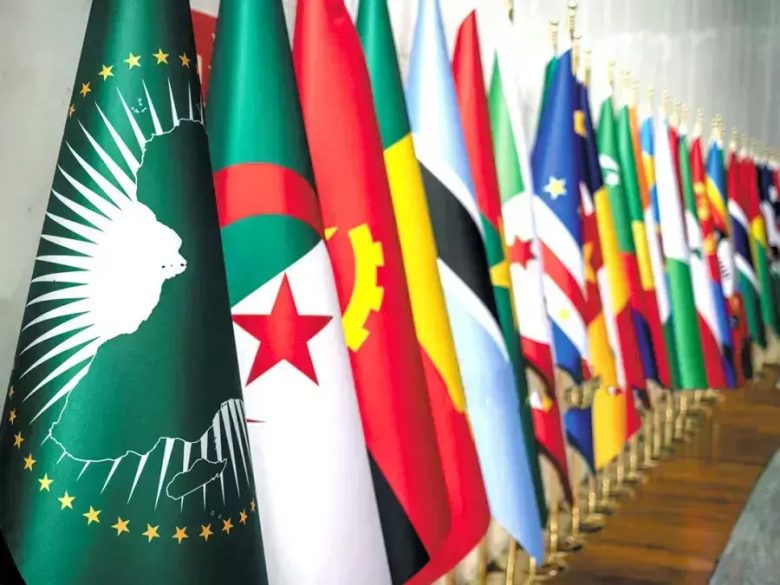
inject fresh vitality into African security governance, anchored in proactive diplomacy, deeper synergy among continental institutions, and the doctrine of “African resolutions for African challenges.”
In steering this principal decision-making organ during its broader term (2025-2028), Algiers aims to leverage this monthly presidency to decisively advance high-priority issues on the African agenda. Led by President Abdelmadjid Tebboune, this term embodies a time-tested vision grounded in the peaceful resolution of friction and absolute opposition to external interference under the banner of regional self-reliance.
Speaking to Le Jeune Independant, political scientist and international relations scholar Idriss Attia observed that this diplomatic initiative represents an undeniable watershed moment for continental security architecture.
From the launch of proceedings, Algerian diplomacy intends to strike a decisive blow by placing human dignity and continental prospects at the heart of debates. The opening session will be dedicated to safeguarding education within combat zones. Ensuring that schools do not become collateral casualties of warfare builds a vital bulwark for the future against devastation and terror.
However, the Algerian leadership is also confronting current critical hotspots. The PSC will urgently examine the volatile realities in the Sahel and South Sudan, two major conflict arenas where Algeria seeks to spearhead mediation efforts and foster lasting exits from turmoil.
This vision underscores the three consultative tracks initiated between the PSC, the Pan-African Parliament (PAP), the African Commission on Human and Peoples Rights (ACHPR), and the African Governance Architecture (AGA-APSA). Yet the primary operational core of this structure will center on a high-level coordination summit gathering the premier security bodies of the continent, including the African Centre for the Study and Research on Terrorism (ACSRT) and AFRIPOL—both headquartered in Algiers—supported by the Committee of Intelligence and Security Services of Africa (CISSA) and the African Peer Review Mechanism (APRM).
Making Prevention an Automatic Response
Reflecting on this strategic posture, scholar Idriss Attia noted that “activating preventive diplomacy requires shifting from reactive crisis management toward early action protocols.” In his view, this transition demands activating the threat evaluation and risk mapping model advanced by Algeria, aimed at “converting intelligence and security data generated by continental frameworks into proactive policy decisions long before hostilities erupt.”
The analyst further recommends “reinvigorating and reinforcing the role of the AU Panel of the Wise and special envoys to enable early intervention during acute political friction and heated electoral contests,” while establishing “an unbreakable link between security, economic development, governance, and the protection of fundamental human rights, such as access to schooling and water security, to eliminate breeding grounds for extremism and violence.”
Additionally, Algeria will deploy a field mission to the Republic of Sudan, reaffirming the humanitarian imperative to bolster the African Union engagement with this sister nation. Fueled by the proliferation of local armed factions, this conflict has escalated to extreme severity, causing what the UN describes as one of the most devastating humanitarian and displacement crises globally.
Professor Idriss Attia emphasized the weight of this step, explaining that “field missions surpass classic diplomatic channels by delivering direct impact on the ground.” According to him, this physical presence enables the council to “assess political and humanitarian conditions without depending exclusively on third-party reporting or intermediaries, thereby granting the leadership a far clearer capability to evaluate field requirements precisely.”
He added that this effort helps “reassert the principle of local solutions to regional troubles and prevents the Sudanese conflict from being completely drawn into international and regional power rivalries that risk prolonging warfare,” while assisting in “building direct communication channels with all local and international actors to encourage ceasefire dynamics and pave the path for comprehensive political dialogue.”
The Oran Process at the Core of Strategy
Furthermore, the Algerian ambition seeks to elevate the stature of Africa in international forums by re-examining the “Silencing the Guns” initiative and convening the quarterly briefing of the A3 Group before the PSC. By reactivating the 2013 Oran Process, the goal is to align the positions of the three African representatives on the UN Security Council to project a unified, influential continental voice in New York.
Analyzing this operational framework, Idriss Attia highlighted that “the strength of the African voice depends on establishing institutional bridges between Addis Ababa and New York.” He noted that “the Oran Process serves as the strategic bedrock for consolidating a unified stance, while the quarterly briefing before the Peace and Security Council acts as a continuous policy guidance mechanism, outlining the immediate roadmap for the A3 Group at the UN Security Council.”
For the academic, this cohesion consists of “building a cohesive negotiating framework that blocks foreign attempts to divide African stances,” while allowing the continent to “utilize this tight alignment to implement UN Security Council Resolution 2719 regarding the funding of AU-led peace support operations through mandatory UN contributions.”
Moreover, Professor Idriss Attia stressed the imperative of “integrating cyber threats and artificial intelligence dimensions into continental security architecture, keeping pace with rapid technological shifts across Africa.”
Finally, the analyst stressed that it is essential to “strengthen the synergy between peacebuilding and structural governance” by creating “political and operational linkages across different African Union bodies, notably between the PSC, the Pan-African Parliament, and the African Peer Review Mechanism, to establish an institutional governance framework capable of preventing unconstitutional changes of government and political instability.”