

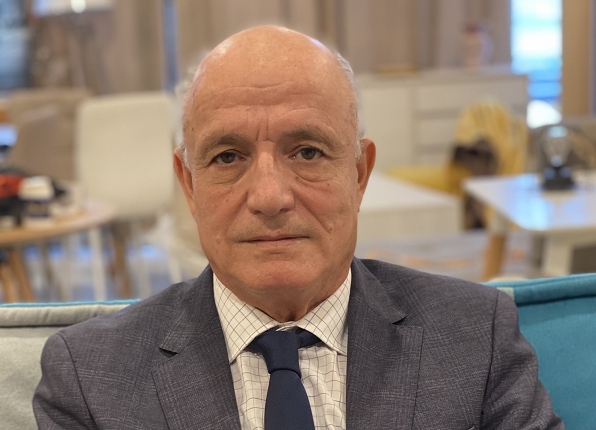
The European regulation regarding compliance with declaration and verification duties for methane emissions, slated for application as early as 2027, continues to provoke pushback. In addition to primary energy suppliers, a dozen EU member states are also demanding its postponement, citing geopolitical risks to energy security. Under this weight, a delay cannot be ruled out, as according to international energy specialist and former director general at the Ministry of Energy, Khaled Boukhelifa, the EU has little alternative but to defer the enforcement of these rules to avoid a supply crunch by the close of the year.
With just months remaining before the entry into force of the European methane directive, drafted in 2024 and scheduled for execution in 2027, which mandates the reporting and monitoring of methane discharges, intense debates are flaring between the EU and gas-producing nations. The latter are pressing for a postponement of these standards, pointing to the structural impossibility of meeting the established deadlines given the sheer complexity of the undertaking.
In an open message delivered to the leaders of the European Commission, the European Council, and EU member governments, key energy providers—namely the United States of America, Algeria, Qatar, and Nigeria—urge European authorities to take “swift and essential” actions to clarify and implement targeted adjustments to the EU methane framework. These revisions should be preceded by the launch of a “calendar freeze” mechanism by the EU, providing the required timeframe to develop methodologies and compliance frameworks acceptable to all sides. These nations also request exemptions for new agreements finalized while these additional regulatory modifications are underway, along with the elimination of non-compliance penalties during this interim window.
According to the authors of the document, who highlight the strides achieved by energy producers in dedicating substantial investment capital toward lowering methane emission density, the vast majority of Europe’s oil and gas partners cannot fulfill the requirements for “measuring, reporting, and validating methane emissions within the dictated timeframe.” Consequently, “virtually all EU petroleum imports will fall out of compliance with this directive starting January 2027,” according to these countries, referencing a comprehensive and independent industry evaluation. They consequently warn of “severe negative disruptions” to both availability and pricing structures.
Internal voices across the EU have likewise risen to request a reopening of the issue. They demand that certain environmental obligations placed on the oil and gas industry be deferred by three years, pointing to the potential fallout on energy supplies. This state of affairs positions the EU in a delicate spot, forcing it to consider a compromise on the roll-out of these fresh mechanisms.
================ Methane Emission Reduction: Algeria’s Substantial Initiatives
According to Khaled Boukhelifa, the EU has no other choice but to “postpone the implementation of this regulation or scrap it entirely.” Should this timeline be sustained, “these countries will face energy supply challenges,” and an availability crisis could emerge by the end of the year. “The EU has no alternative but to reverse its course,” the expert stressed, underscoring the collective leverage of the nations signing the open letter to the EU Commission. According to his analysis, Qatar was the first nation to challenge this European timeline several months ago. The country had raised the prospect of halting LNG shipments to Europe if the EU proceeded with the enforcement of these rules. The United States, Algeria, and Nigeria subsequently aligned with this position.
According to the international analyst, aligning with this European framework demands vast resources, advanced technology, specialized monitoring hardware, and heavy financing. This makes immediate deployment unfeasible, he noted. The former director general at the Ministry of Energy nevertheless pointed out that experts consider methane to be highly dangerous, serving as a potent greenhouse gas with a global warming impact substantially higher than that of carbon dioxide.
He therefore stated that minimizing these emissions is in the global interest, despite the hurdles involved due to the complexity of the matter, to combat climate change. In this light, Mr. Boukhelifa highlighted Algeria’s initiatives through Sonatrach to protect the climate. Sonatrach’s environmental blueprint focuses on the near-total eradication of methane emissions by 2030. To reach this target, the corporation is deploying an intensive technological initiative to map out leaks and eliminate routine gas flaring, reflecting the reality that climate action forms a foundational element of Sonatrach’s corporate strategy.