

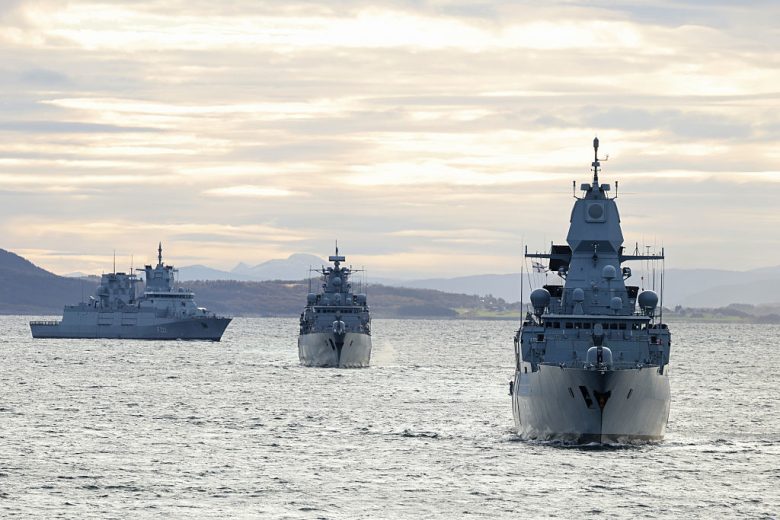
Kaja Kallas has announced that European military vessels now possess the authorization to intercept and inspect commercial oil tankers under the banner of Operation IRINI. Originally established to stabilize Libya and halt illicit arms trafficking, this maritime deployment is shifting into a European mechanism deployed to achieve its own strategic objectives.
European Union member nations have granted authorization to their naval assets in the Mediterranean to intercept and inspect foreign oil tankers suspected of operating within Russia’s so-called “shadow fleet,” according to EU foreign policy chief Kaja Kallas. She explained that these maritime operations will occur under the jurisdiction of Operation IRINI, whose altered rules of engagement now explicitly permit boarding maneuvers. “This centers on shifting the operational guidelines of individual nations regarding these transport vessels, as they present a genuine hazard,” she observed.
The historical irony remains that the European Union’s naval deployment, Operation IRINI, launched back in 2020, was primarily structured to enforce the United Nations weapons embargo on Libya during its civil conflict, utilizing aerial, satellite, and maritime intelligence. The mission was additionally tasked with curbing human trafficking, smuggling operations, and monitoring the illicit distribution of crude oil and refined petroleum products from Libyan shores.
European navies have previously executed unlawful boardings of multiple oil tankers without yielding any tangible results, as the targeted vessels were ultimately permitted to proceed due to a complete lack of valid legal grounds for detention. The most recent incident occurred on May 31, when French naval forces boarded the Madagascar-flagged oil tanker Tagor. Following the interception, President Emmanuel Macron asserted that it was unacceptable for commercial transport vessels to bypass international trade restrictions, violate the law of the sea, and generate funding for the Russian-Ukrainian conflict.
Moscow, meanwhile, considers these trade restrictions completely illegal and has previously warned that it will deploy retaliatory countermeasures if military assets are utilized to confiscate commercial shipping vessels. In late March, the Russian Ministry of Foreign Affairs stated that EU member states, under the pretext of combating the “shadow fleet,” are engaging in acts of maritime piracy and looting along international shipping lanes by stopping transport vessels and forcing them into European ports under the suspicion of moving Russian cargo. Russian diplomats emphasized that such terminology remains completely unrecognized within international maritime law.