

The National Commission for the Prevention of Waterborne Diseases (WBD) has launched an extensive series of field inspections and working visits across several provinces. This initiative aims to evaluate the readiness of relevant infrastructures, following directives from the Minister of Interior, Local Authorities, and Transport, Saïd Sayoud. The primary goal is to bolster preventive measures and intensify field health inspections to safeguard public health during the summer peak, according to a Ministry statement released on Wednesday.
Throughout these visits, commission members held expanded coordination meetings with provincial committee officials, district heads, municipal mayors, and directors from sectors involved in health and environmental management. These sessions provided a platform to assess the progress of local preventive measures and examine surveillance systems deployed to mitigate the risk of waterborne disease outbreaks.
A central focus of the discussions was the quality control of water intended for human consumption—a cornerstone of the national prevention strategy. Technical officials presented detailed reports on regular monitoring and analysis conducted in specialized laboratories, as well as protocols ensuring the sanitary compliance of water distribution networks. The commission emphasized the necessity of permanent oversight at supply points and water infrastructure, particularly in high-traffic summer destinations. Continuous monitoring is deemed vital for the rapid detection of any anomalies that could threaten citizen health.
Beyond water quality, the meetings addressed broader public hygiene issues. Discussions covered urban sanitation operations, household waste management, disinfection campaigns, and pest control programs targeting potential contamination sources. Local authorities were urged to escalate grassroots actions and enhance public awareness regarding hygiene and prevention rules.
Officials stressed that seamless coordination between health, hydraulics, environment, and local government services is essential. This integrated approach is critical for ensuring effective intervention and a rapid response should any contamination clusters or exceptional health situations arise.
As part of the tour, the delegation inspected several provincial hygiene laboratories and water resource control facilities. These field visits allowed for an assessment of operational conditions, analytical capacities, and the human and material resources mobilized for sanitary monitoring. The commission also reviewed early warning mechanisms, the speed of microbiological testing, and the ability of various agencies to coordinate field actions.
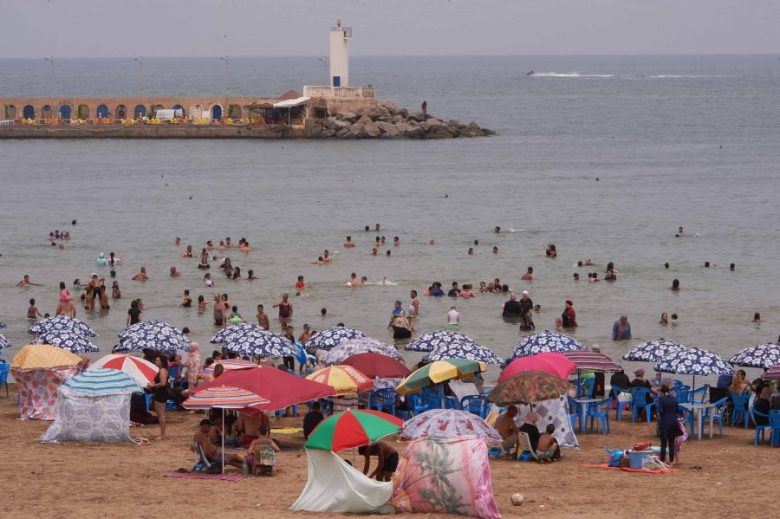
This nationwide mobilization reflects the government’s commitment to preempting health risks typically associated with the summer season—driven by rising temperatures, increased water consumption, and high attendance at beaches and recreational areas. By increasing inspections and coordination meetings, the National Commission aims to establish a permanent culture of vigilance and anticipation. This proactive stance underscores the state’s resolve to ensure the 2026 summer season is defined by health security and public protection.