

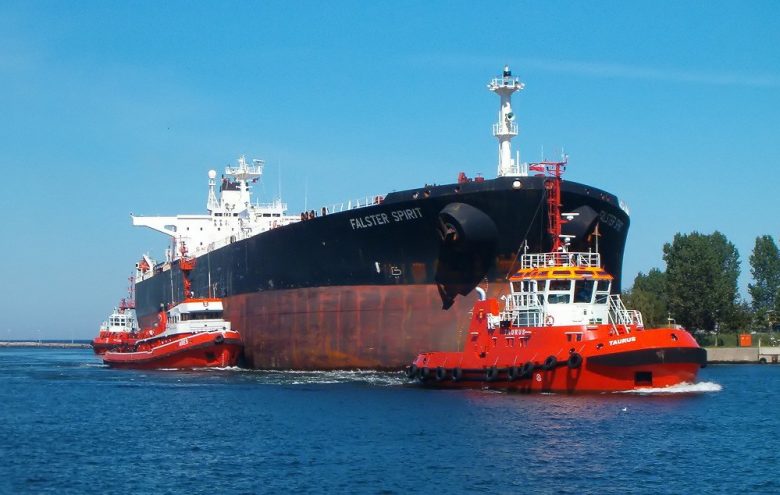
A cornerstone of global oil and gas trade, maritime transport of these hydrocarbons holds significant importance. Algeria’s fleet of oil tankers and LNG carriers, along with those of several other countries, has seen substantial growth in recent years, driven by rising worldwide demand for oil and gas, as well as the need to secure supply chains.
In a study covering nine Arab countries, including Algeria, the specialized energy platform “Ettaqa” highlighted the central role of these giant ships, which play a key part in delivering crude oil and liquefied natural gas to various continents, thereby bolstering the position of Arab nations on international markets.
Algeria, a major energy player as a reliable supplier of natural gas to several countries—primarily in Europe—places great emphasis on maritime oil and gas transport through Hyproc Shipping Company, a Sonatrach subsidiary specialized in hydrocarbon shipping. As a dependable and strategic gas provider for Europe, especially Italy and Spain, by ensuring stable supplies, Algeria is poised to further enhance its presence on the global energy stage amid a critical context where several nations, particularly in Europe, seek to diversify their supply sources.
Maritime oil and gas transport thus emerges as a tool for market diversification for exporting countries. According to the “Ettaqa” platform, Algeria is focusing on developing a specialized fleet within the Arab tanker and LNG carrier system. Estimates indicate that Hyproc owns a fleet of between 11 and 15 vessels, with a strong emphasis on transporting liquefied natural gas (LNG) to external markets, per the same source.
This focus reflects “the importance of gas in the Algerian economy, particularly with rising European demand, making Hyproc’s fleet a key element in securing energy exports and strengthening trade ties with international partners,” stated the specialized platform, which noted that “the Algerian company has also bolstered its fleet with large LNG carriers exceeding 170,000 m³ capacity.” This, it was specified, solidifies the position of Algerian oil and gas transporters on the global LNG market and enhances transport operation efficiency.
According to the “Ettaqa” platform, Arab tankers and LNG carriers have become a strategic factor in the global energy equation, noting that certain nations with large, modern fleets can influence a significant share of energy maritime trade. Highlighting data from the most recent reports up to late February 2026, this specialized platform asserts that these indicate “Arab oil and gas transport fleets are heading into a new expansion phase,” backed by ambitious plans to increase vessel numbers and boost operational capacities in the coming years.