

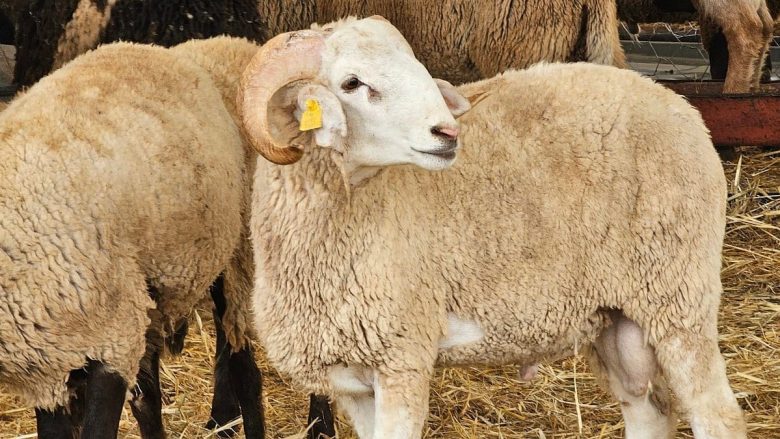
Ahead of Eid al-Adha, Algeria has begun importing sheep to meet surging demand for the religious holiday. Shipments continue arriving at ports, with operations set to ramp up in coming days. Expert Mustapha Benaoui, a former Agriculture Ministry official, discussed the logistics and key challenges in managing the imported livestock.
Arrivals will pick up pace next week, Benaoui said, citing ministry updates. Suppliers include Spain, Romania, Brazil, and Uruguay—selected from a competitive bid process that picked four operators from Europe and Latin America.
For Benaoui, this year’s drive builds on last year’s but faces added complexity. “We’re dealing with a 60-day window and twice as many operators, making oversight trickier,” he explained. It demands strict handling of health, logistics, and feeding needs.
Upon docking at major ports—Oran, Mostaganem, Tenès, Algiers, Annaba, and Béjaïa—sheep enter quarantine lasting 20 days to a month. This includes health screenings before transport to pre-designated sales points, requiring precise timing and coordination, per the expert.
Benaoui stressed improving livestock care over last year. “Feeding, watering, and veterinary coverage must be top-notch,” he urged. Each sheep needs 600-700 grams of barley or feed daily, totaling nearly 30,000 tons amid existing feed shortages. Water intake runs 3-5 liters per animal per day.
Post-quarantine transport to provinces relies on specialized livestock trucks. A 10-ton equipped vehicle hauls up to 120 sheep, versus about 60 in a standard one. “This area needs close watch to avoid last year’s glitches,” Benaoui warned.
Authorities appear proactive, expanding sales outlets nationwide and bolstering port facilities to fix prior shortcomings.
On fair distribution, Benaoui noted imports fall short. “The targeted one million head won’t cover national demand of 3.5-4 million,” he said. Algeria’s domestic flock stands at about 18 million, with only part for slaughter.
Imports thus serve as both short-term fix and longer strategy. “This could span 5-8 years to rebuild national herds,” he added, citing degraded grazing lands and the need to ease local resource strain.