

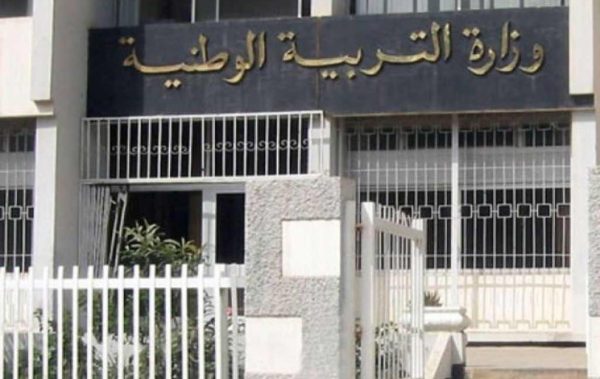
The oral stage of the 2025 national teacher recruitment competition got underway this Tuesday, drawing over one million applicants. This key phase will pinpoint future educators for more than 40,700 slots across primary, middle, and secondary levels, all under a fully digital process designed to ensure fairness and openness.
Education Minister Mohamed Seghir Saâdaoui shared figures showing a record turnout: over one million hopefuls vying for 40,740 budgeted posts in the education sector.
The ministry leans on digital tools for transparency. The entire system runs on an integrated online platform, letting candidates track applications, fix errors within deadlines, and avoid direct human handling.
Rankings and scoring happen automatically, based on clear metrics like academic credentials and work history.
The goal: pick top talent from teachers’ colleges, universities, and institutes to lift teaching standards and bolster classroom guidance.
Seen as make-or-break, the oral round shapes final standings by testing not just knowledge but communication skills, teaching flair, and real-world classroom readiness. For many, this decides entry into the teaching ranks.
To run this massive effort smoothly, the ministry deployed hefty human and logistical resources. Specialized panels oversee interviews under ideal conditions.
This setup reflects authorities’ drive to hire talent that can truly upgrade the national education system.
Hiring over 40,000 teachers for primary, middle, and secondary cycles marks one of the sector’s biggest drives in years. It meets needs for steady instruction across all wilayas while fulfilling young graduates’ hopes of public service jobs.
The ministry targets filling 40,740 budgeted spots: 11,831 for primary teachers (class 1), 18,929 for middle school (class 1), and 9,740 for secondary (class 1).
Eligibility is strict: Algerian nationality, matching degree, cleared national service (for men), full civic rights, clean record, and fitness for duty. Prior public servants fired or dismissed are barred outright.
Selection hinges on qualifications tailored to each level, ensuring theoretical expertise fits the role.
Primary and middle applicants need a bachelor’s, master’s, or state engineering degree in fields directly tied to subjects taught.
Secondary demands more: beyond master’s or engineering diplomas, it requires a recognized magistère in the specialty, matched to discipline needs.