

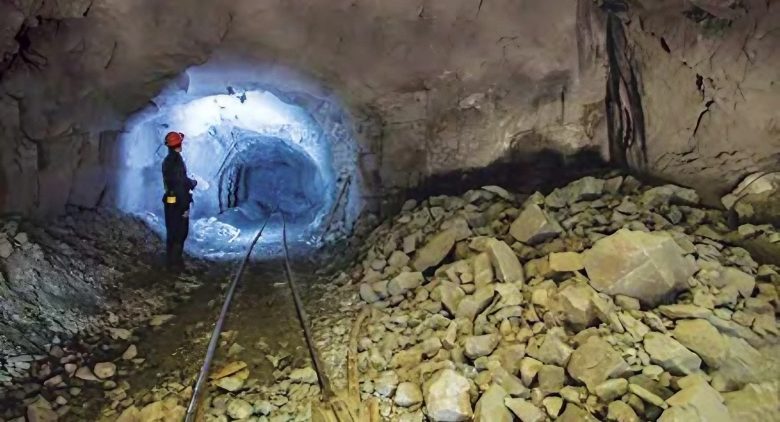
Algeria is pursuing the revival of its mining industry through several structuring projects aimed at strengthening the national economy, creating jobs, and promoting technology transfer, indicated this Tuesday the chief of staff of the Secretary of State to the Minister of Energy, in charge of Mines, Djamal Eddine Choutri, who discussed the Oued Amizour zinc and lead mine. A project that has entered its final phase, preceding the launch of its effective operation, scheduled for this March.
Considered one of the most important mining projects for the national economy, it aims to create added value and integrate advanced technologies, and should generate about 800 direct jobs in the Tala Hamza commune, as well as nearly 4,000 indirect jobs, with a significant socio-economic impact on the entire region, Mr. Choutri indicated this Tuesday during his appearance on National Radio.
The Tala Hamza – Oued Amizour mining project, technically and administratively ready, is in its final phase. It plans to extract 2 million tons per year of zinc and lead, with an estimated annual production of 170,000 tons of zinc and 30,000 tons of lead, to meet the needs of national industry and the domestic market. The launch will simultaneously include the opening of the mine and the construction of the processing plant. Carried out in partnership with the Australian company Terramin, the project uses cutting-edge technology and integrates strict standards for safety and environmental protection, representing about 20% of the overall budget.
Furthermore, the official discussed the integrated phosphate project in eastern Algeria, which he described as strategic in the framework of national food security. This project aims to produce fertilizers and inputs necessary for the development of the agricultural sector and will be carried out in three distinct zones.
The first zone concerns the mine located at Bled El Hadba, where raw ore will be extracted and then processed, with reserves exceeding 10 million tons, allowing the production of 6 million tons of raw materials after treatment and enrichment. These products will then be transported to the Souk Ahras wilaya, specifically in the Oued Kebrit region, where a chemical transformation complex will be established to produce about 6 million tons per year of intermediate and finished products, notably fertilizers, inputs, and the necessary raw materials for their manufacture, through a chemical transformation process using gas and specific acids.
The third phase of the project concerns the port of Annaba, which will be expanded. According to sector data, the works are progressing at a sustained pace. In parallel, the eastern railway line associated with the project is advancing at an accelerated pace to be delivered on schedule.
The objective, according to Mr. Choutri, is to ensure perfect synchronization between the start of production, the completion of the railway line, and the finalization of port infrastructure, so as to make the project fully operational by the end of 2027. The first processing units will come into service in Oued Kebrit.
In terms of employment, the integrated phosphate project should generate more than 1,200 direct jobs, distributed across the three project sites, thereby strengthening its economic and social impact at the regional and national levels.