

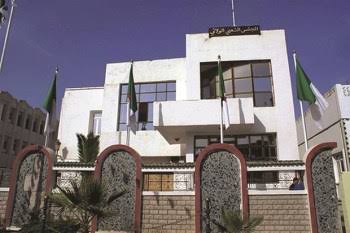
The closing of the 2025 budgetary exercise for Medea wilaya was marked by a ceremony presenting the summary of revenues and expenditures recorded for the year 2025, and the signing of the closing documents by Wali Djillai Doumi, in the presence of the wilaya secretary general, representatives of financial services, and local authorities.
During his presentation, the Medea wilaya treasurer detailed the data on provisional revenues finalized as of December 28, 2025, equipment expenditures, and the consumption of payment credits allocated to various sectors under the development programs for the exercise.
Comparing fiscal and domain revenues over the last two exercises, as well as recorded equipment expenditures, the treasurer highlighted the qualitative leap in the consumption of payment credits allocated to development programs.
In the section on credit consumption, there is mention of a notable progression from 54.95% in 2024 to 68.03% in 2025, an increase reflecting the dynamic execution of public investment programs.
In his address, the wali took the opportunity to commend the efforts deployed by the various public institutions to inject greater momentum into the local development process through the launch of economic projects.
Furthermore, the head of the executive congratulated all those responsible for the work accomplished in implementing the reforms approved by the country’s authorities, particularly those related to budgetary reform.
The wali called for better coordination among the various services, which he considers the cornerstone of their relations, in accordance with the legislation governing the financial system.
Because, he added, there is reason to celebrate the completion of finished development operations, which contribute to improving citizens’ living conditions, thanking the financial services for their efforts and urging all sectors to strengthen their coordination to boost the local economy.
“Financial services are a consultative body that executive and local directorates must consult and rely on to ensure the credibility of administrative and financial expenditures.”
It should be noted that the wilaya treasurer is responsible for the financial and accounting management of the state’s deconcentrated services and public administrative establishments; he is also in charge of executing public expenditures and collecting revenues.