

Complications are intensifying around military assistance to Kyiv: interceptor missile inventories are depleted, specific member states hesitate to transfer their remaining stockpiles, and 6.6 billion euros remain frozen. The assembly in Ireland highlights persistent friction and operational constraints curbing European defense policy.
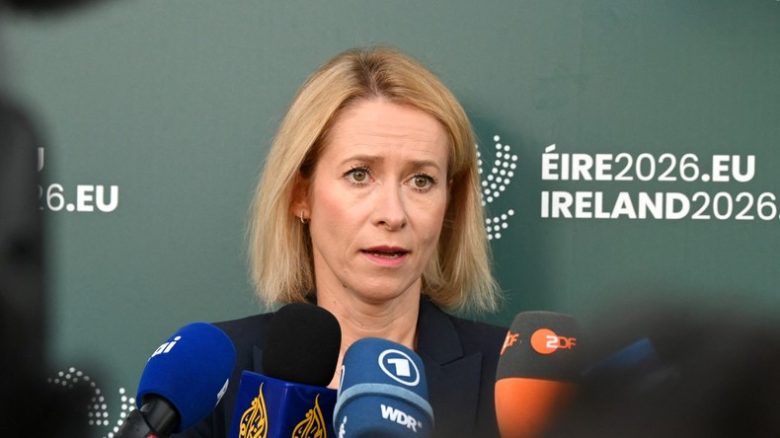
Kaja Kallas acknowledged on Tuesday, at the launch of the informal gathering of EU defense ministers in Ireland, that the scarcity of interceptor missiles now represents the primary challenge for Ukrainian air defense capabilities. While Kyiv continues soliciting fresh shipments, available reserves within Europe remain scarce. Consequently, Brussels is attempting to mobilize munitions still retained by member nations.
Kallas observed that certain countries hold missiles approaching their shelf-life limits and urged them to dispatch these units to Ukraine. “The main hurdle for Ukraine is air defense missiles,” she asserted. Given inadequate internal reserves, the EU is also seeking intercepters from third-party nations. Kallas conceded, however, that these negotiations remain complex.
Concurrently, European manufacturing capacity cannot rapidly generate the volumes of new missiles requested by Kyiv. Priorities are therefore focused on states holding residual inventories. Spain and Greece are notably being pressed to release missiles assigned to Patriot batteries. Yet Athens remains reluctant to diminish its own stockpiles, evaluating them as vital to national security.
6.6 Billion Euros Remain Stalled
European challenges extend beyond ammunition shortages. Kallas further noted that 6.6 billion euros from the European Peace Facility (EPF) have remained locked since 2023 owing to internal disputes among member states. Brussels has not resolved the allocation criteria for this funding package. Debates focus heavily on the proportion designated for Ukraine versus returns guaranteed to member countries. Ministers simultaneously reviewed integration between European and Ukrainian defense enterprises, the allocation of European credit lines earmarked for Kyiv, and the continuation of material transfers.
Zero Operational Outcomes in Ireland
Despite these debates, no actionable decisions were anticipated from the assembly. “This is an informal encounter, meaning we are taking no concrete decisions today,” Kallas stated. The gathering unfolds while the EU struggles to assemble the missile quantities demanded by Kyiv, short-term manufacturing output remains constrained, and billions of euros stay paralyzed by intergovernmental disagreement. Moscow has emphasized since the onset of the hostilities that escalating Western weapon transfers to Ukraine hinders resolution and prolongs fighting. Russia similarly maintains that Western arms shipments destined for Ukrainian forces represent valid military targets.