

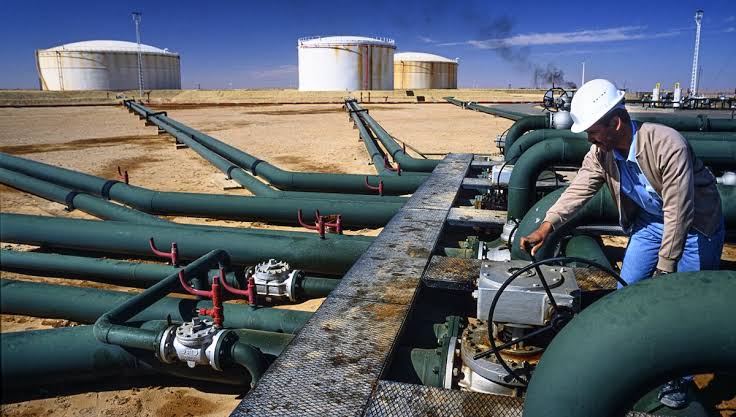
Algeria is pressing ahead with the rollout of an ambitious energy framework designed to amplify its economic and geopolitical leverage across the African continent. Through a series of cooperative pacts and structural ventures spanning hydrocarbons, electricity, and power infrastructure, the nation is actively cementing its footprint in multiple African markets while asserting its status as a primary regional heavyweight.
This momentum is part of a broader vision championed by Algerian authorities, who are leveraging the technical capabilities of state-owned giants like Sonatrach and Sonelgaz, alongside strategic alliances with several African and Arab nations. The ultimate goal is to convert energy into “an instrument of economic diplomacy” capable of driving regional integration and opening up untapped markets, according to an extensive analysis published by the specialized platform Attaqa.
At the core of this pan-African push is a deepening alliance with Egypt. The two Mediterranean nations recently crossed a new threshold in their energy relations by signing a memorandum of understanding for the supply of Algerian crude oil. This pact is designed to secure regular flows of crude to Egyptian refineries while unlocking pathways for broader joint ventures in exploration, production, and refining processes.
In tandem with this initiative, Algiers and Cairo have finalized a commercial contract to develop the Hassi Bir Rekaiz oil field, an undertaking requiring an estimated investment of nearly one billion dollars. The development explicitly features the construction of a central processing facility for crude oil with a capacity of 31,500 barrels per day, alongside dedicated units for handling natural gas and production water.
Algeria also intends to use its synergy with Egypt as a springboard to scale up its continental operations. To this end, the Ministry of Energy and Renewable Energies has initiated high-level talks with the Egyptian conglomerate Elsewedy Electric to spearhead shared projects in power generation, engineering, and the manufacturing of electrical hardware across the continent.
Furthermore, both parties are reviewing the establishment of a joint venture tasked with executing international contracts, specifically targeting sub-Saharan Africa. This initiative mirrors Algiers’ broader determination to diversify its export portfolio by pivoting toward high-value engineering services and energy expertise, rather than relying solely on raw oil and gas exports.
Simultaneously, Algeria is reinforcing its historic energy ties with Tunisia. Ongoing consultations focus on the construction of a 1,400-megawatt combined-cycle power station, which would rank as the largest facility in the neighboring country. Both nations are also maintaining their day-to-day coordination regarding cross-border electricity supplies.
The Algerian blueprint stretches across several other African theaters. In Libya, Algiers dispatched a shipment of 132,000 barrels of gasoline to help stabilize local fuel markets experiencing severe domestic supply strains.
In Côte d’Ivoire, a bilateral cooperation accord was inked to foster partnerships in the energy and mining sectors. This comprehensive deal spans exploration, extraction, refining, and the optimization of downstream supply chains for both hydrocarbons and mineral resources.
Further south in Mozambique, Algiers is participating in a major 1,000-megawatt power plant project. According to the same industry report, Algerian authorities anticipate that this infrastructure will allow Mozambique to dramatically scale up its electricity exports to neighboring states, thereby strengthening its local energy standing through Algerian backing.
Algeria is similarly intensifying its operational footprint across the Sahel region, notably in Niger. There, the Sonelgaz Group is currently constructing a power station in Niamey while providing technical support for power grid modernization, human resource training, and digital sector transformation. This collaboration complements the broader, highly strategic Trans-Saharan Gas Pipeline project, which aims to link Nigeria to European markets via Niger and Algeria.
In Chad, Algiers recently exported its inaugural shipment of liquefied petroleum gas (LPG) and signed a protocol to construct a 40-megawatt power plant. The partnership includes robust knowledge-transfer programs and vocational training for local energy personnel.
Finally, in Mauritania, both administrations are working to revitalize their hydrocarbon cooperation. Focus areas include stable fuel supply chains, the rehabilitation of retail distribution networks, and the advancement of cross-border electrical interconnection grids.
Through this web of interconnected initiatives, Algeria is steadily positioning itself as a central driver of African energy integration. By exporting its technical know-how, specialized machinery, and engineering services, the country seeks to broaden its continental influence while fortifying its standing in an environment increasingly shaped by competition among regional and global powers.