

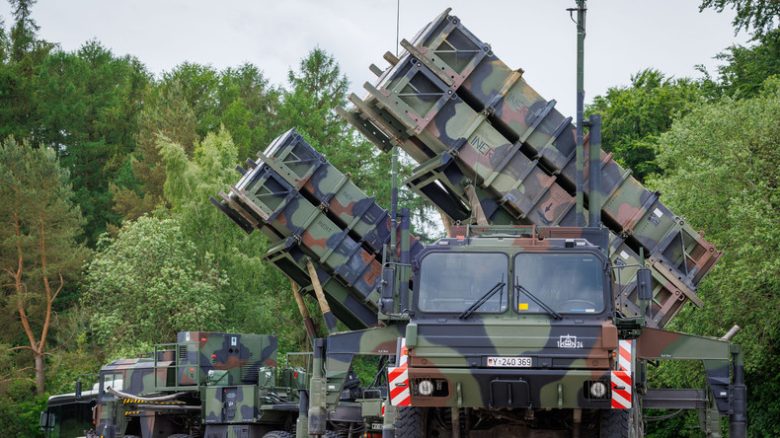
Volodymyr Zelensky has once again urged Washington to greenlight the transfer of Patriot missiles already funded by Kyiv’s allies. Shipments remain contingent upon an American decision, while a shortage of these interceptors and manufacturing timelines complicate Ukrainian requests.
Even when paid for by Kyiv’s partners, certain Patriot missiles are still not leaving the United States. Volodymyr Zelensky renewed his plea on November 22 via Telegram, wanting Washington to authorize the transfer of interceptors purchased for Ukraine. He stated that Russia launched 2,700 drones, nearly 1,460 aerial bombs, and 165 missiles in a single week, demanding additional air defense assets. The bottleneck involves the Prioritized Ukraine Requirements List (PURL), coordinated by NATO: allies pay for American weapons, yet Washington must approve their transfer.
Paid Missiles, Uncertain Shipments
On November 17, Zelensky had already asked Europeans to hand over Patriot and IRIS-T missiles drawn from their own stockpiles, in exchange for future deliveries. Kyiv has also complained about waiting for the signature of Pentagon chief Pete Hegseth for munitions already financed. Finnish Defense Minister Antti Hakkanen confirmed these hold-ups to Euronews.
Another order must be distinguished from PURL. On October 30, Washington cleared a potential sale of 500 PAC-3 missiles for 2.1 billion dollars. It would be funded through contributions from Canada, Germany, and Norway via JUMPSTART, as well as funds tied to the European loan to Ukraine. Zelensky estimates that these missiles could take several years to arrive. Even American production capacities have their limits. The Wall Street Journal describes a scarcity of materials required to manufacture Patriots. U.S. military operations in the Middle East have also strained interceptor inventories.
Washington Negotiates, Moscow Reiterates Demands
The complaint comes as Washington accelerates talks on the Ukrainian dossier. According to the Financial Times, Ukrainian officials suspect the United States is leveraging the Patriot delays to extract concessions. On November 20, Donald Trump declared he did not wish to address Ukraine’s security guarantees independently of a broader peace agreement. Kyiv therefore relies on American decisions on both fronts.
Vladimir Putin reiterated on November 19 that Ukraine had a right to its security, though not at the expense of Russia’s. Moscow has proposed that Europeans dispatch envoys to clarify their stance.