

The 29th edition of the Algiers International Book Fair (SILA) wrapped up Friday evening at the Maritime Pines Exhibition Center (SAFEX), delivering outstanding outcomes. Boasting a record-breaking crowd of over 6.27 million visitors, a vibrant ambiance, and a wealth of new Algerian literary releases, this installment stood out for its remarkable cultural dynamism. It positioned decolonial thought and African cultural sovereignty issues at the forefront of discussions.
The closing event unfolded at the Abou El Kacem Khammar hall inside Safex. During her address, Culture Minister Malika Bendouda described SILA as “the paramount cultural gathering and the primary public event in Algeria and across the region.” Operating under the high patronage of President Abdelmadjid Tebboune, the fair continues to “achieve successes that have consistently served as a benchmark,” while “shattering records to establish itself as a global phenomenon,” she stated.
Attended by Constitutional Court President Leila Aslaoui, the Saudi Arabian delegation—representing the honor guest nation alongside deputy mission leader Ali Al-Othman—and Cuban Ambassador to Algeria Hector Igarza Cabrera, alongside fair commissioner Mohamed Iguerb and key figures from literary and intellectual circles, the minister revealed that the Sultanate of Oman will serve as the guest of honor for SILA’s 30th edition.
Reflecting on Saudi Arabia’s contribution as honored guest, Malika Bendouda praised their agenda as “sophisticated, extensive, and varied,” applauding the Kingdom’s cultural presence.
Beyond mere figures, this 29th gathering was primarily driven by genuine enthusiasm surrounding literature. Exhibition booths experienced continuous crowds within a spirited environment, enabling book lovers to explore an expansive publishing output featuring abundant new releases across diverse genres and disciplines. Panel sessions, intellectual debates, and book launches further transformed the fair into a hub for exchanging ideas and comparing creative practices.
The decolonial focus provided special depth to the programming, anchoring discussions within inquiries regarding memory, identity, and liberation—most notably inside the Esprit Panaf space located at the Palestine pavilion.
For his part, Mohamed Iguerb reported unprecedented participation, encompassing nearly 300,000 publications. The fair commissioner confirmed that total attendance reached 6,270,427 visitors as of Friday, November 6, at 8:00 PM, underlining the immense public engagement generated by this year’s event.
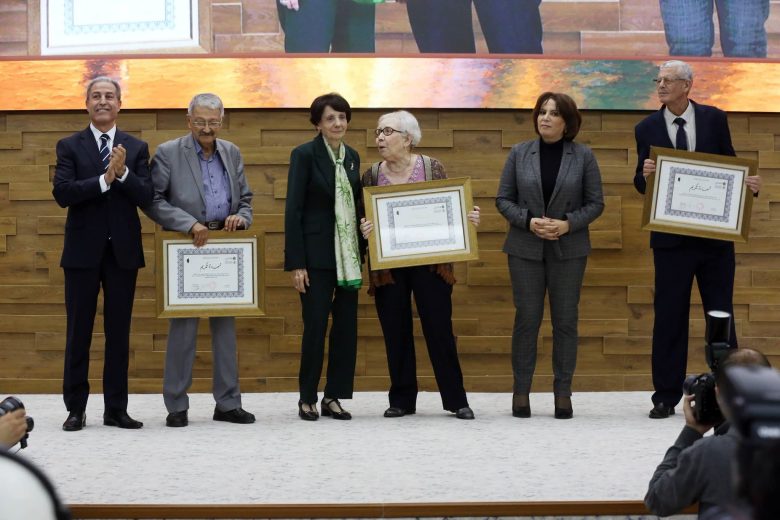
Additionally, the final ceremony featured awards presentations for the fair’s various competitions alongside tributes honoring prominent cultural, academic, and literary figures. For the third iteration of the “My First Book” prize, the panel headed by author and literary scholar Inchirah Saadi honored Meroua Ziane for the top Arabic-language title, whereas Dahia Hamitouche earned recognition for her Tamazight-language novel.
The Translation Prize, introduced during this 29th edition, went to novelist and translator Mohamed Sari in appreciation of his long-standing career in the field. Meanwhile, the Kingdom of Saudi Arabia secured the award for best exhibition stand.
It is worth highlighting that special honors were conferred upon Nadjat Khadda, Fouad Soufi, and Mohamed Meflah for their cumulative work, acknowledging their distinct contributions to Algerian intellectual life.
Likewise, the gathering commemorated several late figures of the Algerian cultural scene before inviting readers and publishing professionals to assemble for the thirtieth edition under even greater ambitions.