

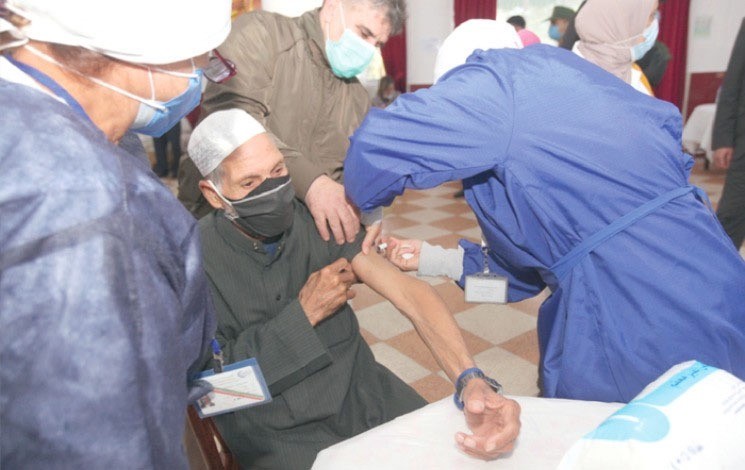
While temperatures remain relatively mild, citizens are beginning to get vaccinated against seasonal flu. A preventive reflex gaining traction, notably among the elderly, chronically ill, and pregnant women, who are especially exposed to viral complications. This mobilization manifests through steady turnout at local health facilities.
Prevention against seasonal influenza is gradually anchoring into citizen habits, without waiting for the arrival of initial cold spells. In local health establishments within the municipality of Boudouaou, in Boumerdes province, noticeable attendance is observed among individuals seeking vaccination, particularly the most vulnerable categories.
This early recourse to the vaccine occurs while winter has not yet fully settled and temperatures have not registered their customary decline. It reflects a growing awareness regarding the importance of protection against seasonal infections alongside their potential complications.
Contrary to certain misconceptions, vaccination ought not to be delayed until the onset of cold weather or an increase in flu cases. Preventive immunization allows the body to prepare for confronting the virus from the beginning of its circulation.
Elderly individuals, patients suffering from chronic conditions, and pregnant women rank among the most mobilized citizens seeking this protection. These categories face elevated risk of severe forms of seasonal flu, which can lead to respiratory complications and mandate hospitalization.
Individuals suffering from cardiovascular diseases, diabetes, or other chronic pathologies, alongside those with compromised immunity, must pay particular attention to prevention.
“I prefer getting vaccinated prior to the arrival of the cold rather than waiting to fall ill. With age, one must take greater precautions, especially knowing that the flu can cause complications,” testifies a citizen who came to be vaccinated at the Hamdi Slimane health center in Boudouaou.
A similar approach is seen among individuals with chronic illnesses, who regard vaccination as a vital measure for safeguarding their health. “I am monitored for diabetes and arterial hypertension. My doctor advised me not to neglect vaccination. I prefer to anticipate and protect myself right away,” confides a patient.
At the level of health facilities, nursing teams remind citizens that vaccination constitutes an essential means of prevention, particularly for at-risk individuals.
“We explain to citizens that it is unnecessary to wait until temperatures drop sharply to get vaccinated. The crucial element is protecting oneself before the period of high viral circulation, especially for the elderly and chronically ill,” stresses a nurse working at this local health structure in Boudouaou.
Healthcare professionals also insist on the necessity of respecting medical recommendations and raising awareness among affected individuals concerning risks linked to seasonal flu.
“We receive people who come spontaneously requesting the vaccine, but also patients referred by their doctor. We take time to inform them about the value of this protection and precautions to follow,” explains a nurse.
The turnout recorded in health facilities demonstrates, according to professionals, enhanced awareness among a segment of the population regarding the benefit of early vaccination. A development contrasting with past behaviors, when certain citizens waited for early cold waves or multiplying infections to get vaccinated.
This preventive approach relies on the need to anticipate health risks, particularly for individuals whose condition demands extra precautions. Often equated with a simple cold episode, seasonal influenza can nevertheless trigger serious complications in fragile individuals.
Beyond vaccination, healthcare professionals reiterate the importance of preventive gestures, notably regular hand washing, ventilating enclosed spaces, and limiting direct contact with individuals exhibiting flu symptoms. A medical consultation is also recommended in case of severe or unusual symptoms.
The objective is thus to strengthen individual and collective protection before the intensification of seasonal virus circulation, in a context where prevention remains an essential lever to limit complications and preserve the most fragile populations.