

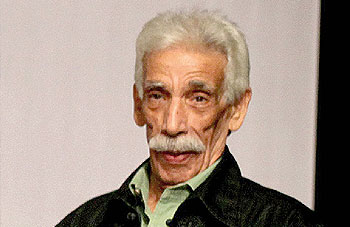
The second edition of the M’hamed Benguettaf Theater Days kicked off on Saturday evening at the regional theater of Naâma. Scheduled to run through October 14, this cultural event brings together performers, researchers, students, and enthusiasts of the dramatic arts for stage productions, training workshops, and academic symposia. It honors one of the towering figures of Algerian theater while actively encouraging creative expression and the emergence of fresh talent.
Organized as a tribute to playwright and theatrical icon M’hamed Benguettaf, these sessions aim to sustain his artistic legacy by providing a communal space for transmission, interaction, and networking between seasoned professionals and rising creators. The schedule pairs theatrical competition with analytical reflection on staging techniques and professional training, reflecting a strong commitment to renewing national artistic creation.
During the opening ceremony, the general inspector of the wilaya, representing Wali Lakhdar Seddas, emphasized the significance of such initiatives in revitalizing cultural life and bridging the gap between creators and audiences. He also underscored the role of culture in safeguarding national identity and passing down heritage to future generations, reaffirming public authorities’ ongoing backing for cultural projects and artistic talent.
For his part, Mouhamed Guemmoumia, the wilaya director of culture and arts, highlighted the core mission of these gatherings, intended to extend far beyond mere stage performances to become a dynamic forum for dialogue regarding the current state of theater and its future outlook. The dramatic arts carry a deeply human and cultural message, he noted, allowing society to question reality, broaden intellectual horizons, and stimulate imagination. He further insisted on preserving the pioneers’ heritage while opening doors to young artists, praising the backing of the Ministry of Culture and Arts and local authorities.
According to Ibrahim Djaballah, regional theater director and event coordinator, the impact of these days stretches well beyond the spectacles themselves. It also lies within the discussions and debates capable of sparking novel ideas and initiatives that serve the future of Algerian theater.
Five Productions in Competition
The competition features five contrasting productions originating from various parts of the country. Performances commenced with “El Mehraz,” presented by the Noujoum El Fen Hassan Hassani Association from Sidi Bel Abbès. The lineup continues with “El Moutahha” by the Djawharat El Masrah wa El Founoun Association from Aïn Témouchent, alongside “Nirvana” from the Sarti Valéry Arts and Youth Cooperative of Sidi Bel Abbès.
Two additional productions complete the bill: “Mahkamat Essifr,” staged by the El Fen El Assil cultural association in partnership with the Laghouat regional theater, and “Wahed min El Joumhour,” presented by the Helme El Fen cultural association of Oran. Stage runs continue through October 14.
The event likewise reserves a substantial place for scholarly discussion. Led by academic and director Lakhdar Mansouri, the scientific colloquium addresses core questions concerning stage performance, acting methodology, actor training, and drama education in Algeria. Debates focus specifically on pedagogical methods and the conditions necessary for grooming future artists.
Alongside performances and academic forums, specialized workshops are offered to practitioners and theater enthusiasts. Dr. Hamza Djaballah supervises the scenography workshop, whereas Abdelhakim Madani leads sessions dedicated to vocal training. These activities aim to reinforce participants’ technical and artistic skills while enriching their practical craft.
The opening ceremony additionally paid tribute to the memory of M’hamed Benguettaf. Oud musical interludes, performed by artist Salsabil Baghdadi, accompanied the screening of a documentary film directed by Abdelaziz Lachlah, with contributions from Benabdellah Sekkouri. Drawing upon photographs, excerpts from plays, and statements made by the playwright, the film retraced the principal milestones of his career and his lasting contribution to Algerian theater.
Several cultural and artistic figures received honors, among them Mohamed Djellab, a pillar of Naâma’s cultural scene who directed the region’s first amateur film back in the 1970s, alongside theater actor Bella Boumediene and Mohamed Yahiaoui, general director of the Algerian National Theater.
Members of the competition jury were also introduced. Chaired by academic and critic Mohamed Boukras, the panel includes stage director Aïssa Djekati and artist Kada Kebize. Organizers of the scientific colloquium and members of the viewing committee tasked with screening performances and selecting troupes were similarly presented.
Finally, younger generations hold a privileged place in this edition. Children who participated in summer workshops under the “Summer House of Culture and Arts” initiative, launched by the Ministry of Culture and Arts, were formally recognized. This initiative underscores the importance of early cultural awakening and nurturing young talents, viewed as fundamental to the continuity and renewal of theatrical practice in Algeria.