

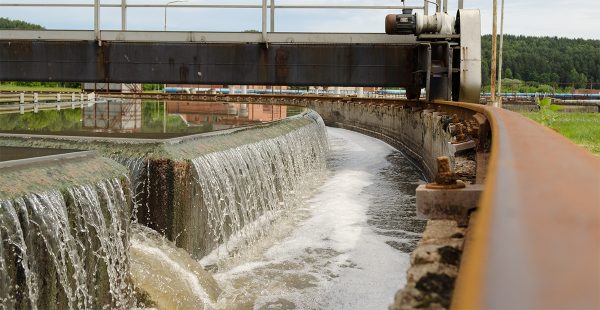
Long viewed strictly through the prism of sanitation, treated wastewater is gaining fresh prominent status within national water policy. Algeria now seeks to convert these effluents into an independent resource capable of meeting supply demands and supporting water-intensive industries, starting with farming. This strategy took center stage during a working session held Tuesday by the Minister of Water Resources, Lounes Bouzegza, alongside key central management staff.
The primary ambition centers on scaling operations, namely expanding processed output and subsequent reuse across purification plants while broadening application scopes. Amid mounting pressure on conventional natural supplies, water recycling provides an extra mechanism to reinforce domestic mobilization capacity nationwide.
Resource potential remains vast, with the national network presently deploying 237 operational sanitation structures across regions. Another 76 upcoming facilities will soon join this fleet, designed to boost total purification capacity to 1.514 billion cubic meters annually, marking an increase of roughly 35% over present thresholds.
During proceedings, the minister evaluated plant conditions, operational yield performance, alongside net volumes purified and successfully reclaimed. Ongoing builds and fresh initiatives were equally scrutinized, placing strong focus on addressing existing operational gaps while implementing remedies aimed at maximizing utility infrastructure output.
Sanitation station performance forms the core pillar of this initiative. The minister underscored the mandate for strict routine equipment monitoring to ensure steady operational standards. Enhancing output yields, finalizing current projects, and initiating new developments should progressively raise available stocks destined for secondary reuse applications.
Purified liquid standard quality represents a second strategic pillar, leveraging process upgrades alongside full integration of tertiary treatment to broaden practical applications, particularly within crop irrigation. Heightened coordination among involved entities must further help pin down requirements and unlock fresh opportunities for functional reclamation.