

Pakistan currently considers the timing right to implement the mutual defense agreement established with Saudi Arabia and Turkey. The treaty stipulates that an attack against any single signatory must be treated as an assault against all three, while Houthi forces step up operations aimed at Riyadh.
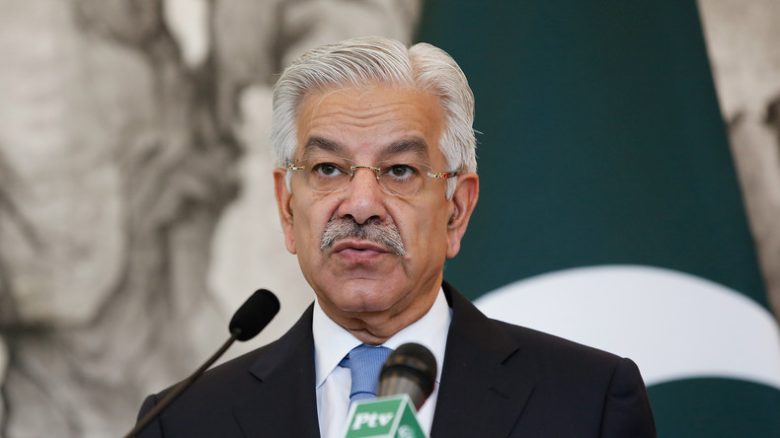
Pakistan is adopting a firmer stance regarding the escalation between Saudi Arabia and Houthi fighters. Defense Minister Khawaja Asif stated that the hour has arrived to execute the Mecca Defense Pact, enacted August 7 between Islamabad, Riyadh, and Ankara. These remarks reflect a shift following several days of Pakistani restraint.
The treaty operates on a collective security premise: an armed assault upon one member nation is viewed as an offense against all three. Signed during widespread regional warfare, the agreement unites Saudi Arabia, NATO member Turkey, and nuclear-armed Pakistan. The trio has since set up a permanent secretariat inside Saudi Arabia and initiated measures to elevate coordination among their armed forces.
Full-Scale Test for the New Agreement
The mechanism now confronts its initial major test. Iranian-backed Houthi forces have intensified strikes targeting Saudi soil and infrastructure in recent weeks, while their advances along Yemen’s Red Sea shoreline heighten strain surrounding the strategic Bab el-Mandeb Strait.
Riyadh additionally requested military aid from Washington. American officials declined, at this phase, to conduct direct air raids, though offering intelligence sharing and targeting help instead.
Islamabad finds itself in an exceptionally delicate spot. Pakistan maintains long-standing close military cooperation with Riyadh, already stationing thousands of personnel alongside a fighter jet squadron inside Saudi borders. However, Pakistan simultaneously aims to safeguard relations with Tehran, having acted for months as a mediator connecting Tehran, Washington, and Gulf monarchies.
Just one week ago, Islamabad maintained that no military reaction was being evaluated, while asserting it would act “when the time arrived.” Khawaja Asif’s pronouncement points toward a new phase, though the precise framework of potential Pakistani support remains unspecified thus far.