

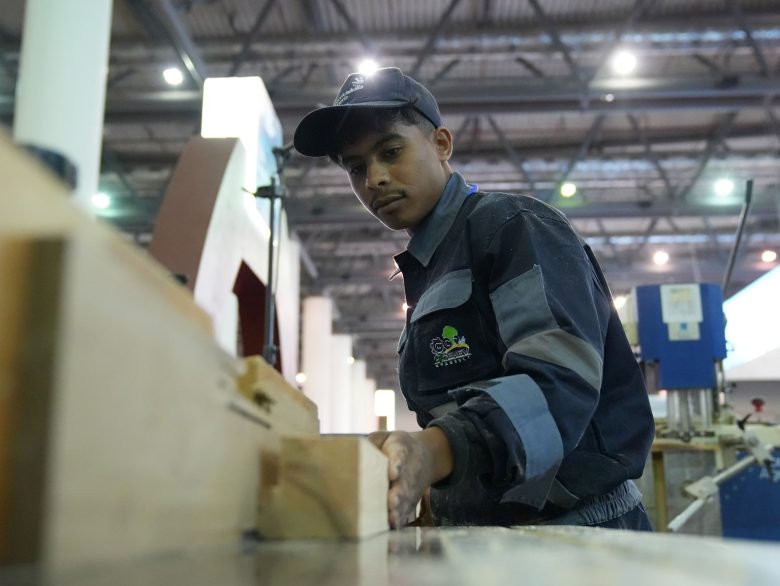
More than 3,500 pedagogical slots across various training programs are available in the province of Adrar for the upcoming October vocational training session, regional officials announced Sunday.
Preparations for this intake involved stepped-up awareness campaigns detailing offered specialties, digital platforms, registration workflows, assessment processes, and orientation steps, leading up to the final results release on October 1st, stated Tayeb Al-Khorsi, Adrar’s provincial director of Vocational Training and Education.
This intake—totaling 3,540 positions—aims to align with labor market demands, promote apprenticeship and distance learning, support targeted groups and correctional facility inmates, and foster entrepreneurship alongside centers of excellence. Key initiatives include launching the Sanaa-2 program and continuing instructor training focused on competency-based methodology and English language proficiency, he explained.
The regional administration allocated 1,330 positions to residential instruction, 915 to apprenticeships, and 190 slots specifically for unemployment benefit recipients, the source added.
These programs span diverse sectors, including agriculture, public works, electrical engineering, power electronics, construction, oil and gas, tourism and hospitality, computer science, digitization, and telecommunications.
Additionally, to support local investment projects and structural developments, new tracks have been introduced for this intake: strategic crop cultivation, livestock management, agricultural machinery operation and maintenance, and ornamental horticulture.
On another front involving international technical training, in line with ministerial guidelines, 58 technicians from the Republic of Niger completed a 45-day program covering HVAC installation and maintenance, traditional fruit and vegetable processing, livestock feed production, and structural steelwork.
Adrar’s vocational infrastructure comprises two national specialized institutes, 10 training centers, four private academies, and four rural annexes, boasting a cumulative capacity of 4,759 pedagogical seats alongside 11 boarding facilities offering 1,000 beds.
Total active enrollment across these institutions stood at 4,262 trainees by late June, including 1,815 women, according to sector statistics.