

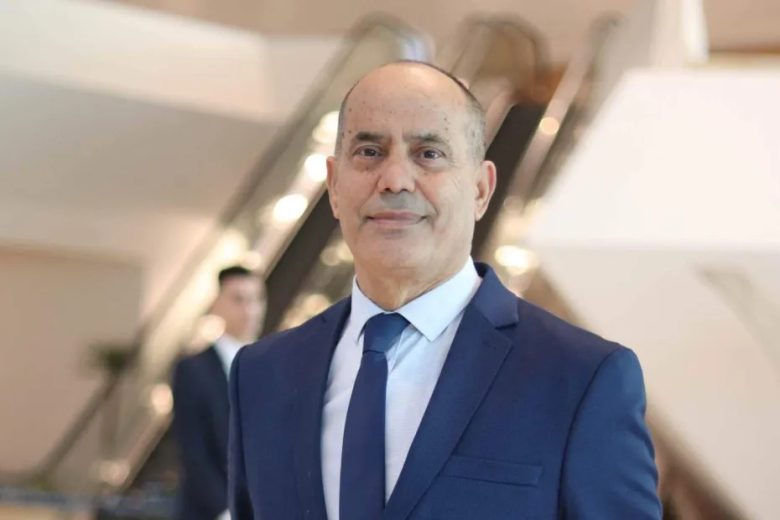
Shielding schools from political clashes and ideological currents must henceforth be treated as a imperative priority in driving educational reforms. This is the conviction of education advisor Kamel Nouari, who commends the guidelines established during the Council of Ministers meeting chaired on Sunday by President of the Republic Abdelmadjid Tebboune. The President notably called for placing student interests and instructional quality above any partisan or ideological agendas, while ensuring that school-related discourse remains strictly within a pedagogical framework.
Speaking to *Le Jeune Indépendant*, Kamel Nouari considers the decisions made during this session to be heading in the right direction, particularly those designed to insulate schools from various forms of political and ideological friction. In his view, educational settings must remain dedicated spaces for instruction, knowledge, and pedagogy, completely distanced from political maneuvering.
The education advisor also praises the instructions given to better leverage recent sector achievements through methodical management centered on quality and performance. Within this scope, he emphasizes the need to optimize human resources and professional expertise across the sector, alongside the extensive experience accumulated by academic staff.
Kamel Nouari further highlights that major decisions concerning the education system cannot be made unilaterally. School curricula, language instruction frameworks, and hourly allocations represent critical choices that must be reviewed within established institutional channels, specifically at the Council of Ministers level.
He believes reforms should be implemented gradually and in phases to maintain coherence and efficiency while heading off controversy and speculation that could disrupt the sector.
In this regard, he welcomes the directive to avoid premature media promotion surrounding potential educational adjustments. For Nouari, proposals ought to undergo thorough evaluation by competent institutional bodies before being released for public communication.
Beyond the guidelines set at the Council of Ministers, Kamel Nouari argues for establishing a National Education Council as an advisory body. He views this institution as an essential mechanism to strengthen consultation, expertise, and collective deliberation around key issues shaping the future of Algerian schools.
According to Nouari, this Council could bring together education stakeholders, social partners, and relevant public sectors to examine challenges tied to the organization, administration, and evolution of the school system.
The education advisor notes that creating such a body would provide structured oversight for major reforms, ensuring school-related policies draw directly on expert knowledge and thorough assessments of operational needs.
Another dimension highlighted by Mr. Nouari involves media coverage of educational matters. He argues that discussions surrounding schools require greater analytical rigor and should feature qualified specialists with proven field experience.
The goal, according to Nouari, is to prevent educational topics from being handled by individuals lacking sufficient sector insight, ensuring debate stays grounded in expert analysis and practical realities.