

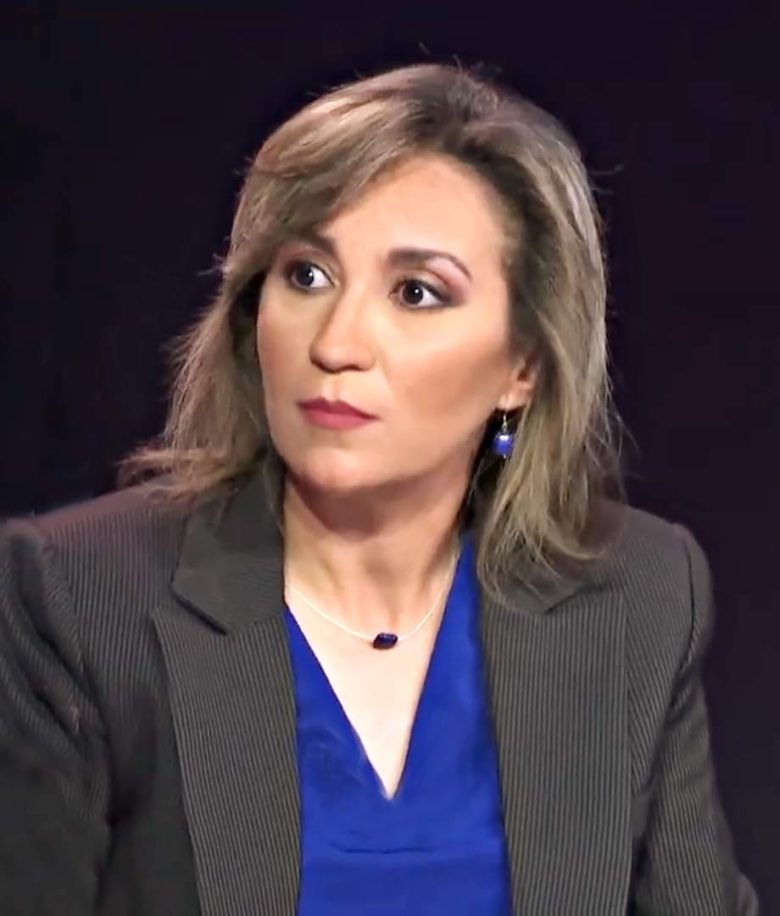
As Algeria strengthens its screening mechanisms and care systems for autism, the post-diagnosis stage remains crucial. For Farah Acid, president of the Elias Foundation for Autism, early detection carries meaning only if it leads to an adapted, inclusive, and sustainable pathway. In this interview, she addresses care challenges, expectations for the upcoming national autism center, school inclusion, and the necessity of planning for the future of autistic adolescents and adults.
Le Jeune Independant: Early childhood autism screening is now central to new public policy directions. Why is identifying initial signs as early as possible so essential, and where does Algeria truly stand in this area?
Farah Acid: Early childhood years prove decisive. Early detection remains crucial to better understand a child’s needs, support their family, and rapidly implement necessary developmental assistance, particularly concerning communication, learning, independence, and socialization. However, early screening must never mean “labeling” the child.
Algeria currently experiences an important awareness phase through screening initiatives and public outreach, alongside the development of specialized centers for autistic individuals aged 3 to 18 by the solidarity sector. This momentum relies heavily on Screening and Follow-up Units, which already perform a vital role in school healthcare.
Nevertheless, autism possesses a specific characteristic: screening does not constitute a final diagnosis. ASD represents a highly heterogeneous spectrum requiring specialized, multidisciplinary assessment after initial identification. Consequently, we must examine the specific, standardized training of the teams conducting these evaluations.
Screening acts merely as the initial entryway. If not accompanied by sufficient qualified professionals, adapted schooling, and real family support, it risks generating more anxiety than answers. Our priority must focus on the quality of the journey following initial detection, allowing children to develop alongside their peers, siblings, and broader society.
What should the future national autism center deliver, and what must its priorities be?
Establishing a national reference center for autism represents a historic advancement. We hope it evolves into a true cornerstone for scientific, medical, educational, and social standards. Decisions reached today can structure Algerian autism policy for several decades.
Its primary mandate must involve building a coherent national strategy. Presently, numerous families must sequentially seek diagnoses, specialists, care programs, and educational placements on their own. Parents frequently end up coordinating a system that the state ought to manage.
We therefore require an intersectoral framework bridging health, education, child protection, vocational training, and employment. The national center must also contribute to training personnel, refining diagnostic accuracy, harmonizing professional practices, and generating reliable national data.
Crucially, it must avoid becoming a mechanism that isolates autistic individuals from community life. It must operate as a genuine resource hub capable of delivering expertise to children, families, schools, and regions.
Finally, we must remain cautious regarding the selected structural model. Deciding hastily by replicating discarded foreign frameworks without consulting field professionals, families, and autistic individuals themselves carries real danger. The goal remains clear: guaranteeing rights, inclusion, and full social participation for autistic people.
Even with an early diagnosis, what obstacles do families continue to face regarding access to specialized medical care?
Timely detection and accurate diagnosis represent victories only when they lead straight to structured support aimed at building a meaningful life plan. Yet, the main barrier remains the lack of continuity along this path. A family might secure an initial screening, only to begin a confusing race: Where to turn? Whom to consult? How long to wait? Which intervention to select? How to fund essential services? Will parents receive workplace accommodations to escort their children to therapy sessions? Is adequate psychological and family counseling available? Deep regional disparities also persist, as not all families live near equivalent professionals and facilities.
We urgently require more qualified specialists, but above all, true structural coordination. An autistic child does not benefit from parents spending their lives running between separate sectors. The healthcare domain must fulfill its duty. Education must execute its part. The solidarity sector must assist families, and institutions must communicate seamlessly. Today, parents too often coordinate between doctors, schools, centers, and administrative bodies without social assistance. Clearly, fundamental questions regarding the logical sequence of these services remain unresolved.
Are Algerian schools adequately prepared to welcome and support autistic children?
To be frank, Algerian schools are not yet sufficiently prepared, particularly on organizational and pedagogical levels. Fortunately, we have wonderful teachers, open-minded principals, and positive experiences. However, inclusion cannot rest solely on individual goodwill. An autistic child is not genuinely integrated simply by sitting inside a regular classroom.
Inclusion demands enhanced teacher training, pedagogical adjustments, specialized communication tools—especially for non-verbal children—psychological support, anti-bullying measures, sensory considerations, and adapted examination arrangements. We must also strengthen the role of educational aides and provide dedicated school life assistants for students requiring direct support.
Yet we cannot claim, “The school is not ready, so let us send the child elsewhere.” Why deploy screening units if schools fail to transform afterward? Once a child is identified, what steps does the national education sector take to welcome them?
A diagnosis alone should never dictate an educational path. Neurological differences do not justify exclusion. Autistic children possess the same right to dignity, education, and social involvement as anyone else. Schools must evolve into genuine inclusive spaces capable of adapting teaching methods, learning paces, and evaluation standards to diverse student profiles.
We must transition from an educational model centered primarily on rote memorization toward one that values skills, autonomy, creativity, and critical thinking. If we separate children from the outset, how can we build a future society rooted in equal opportunity?
Public discussion frequently focuses on autistic children, but far less on teenagers and adults. What becomes of autistic individuals after school age, and what solutions must be developed for their independence, training, and integration?
At the Elias Foundation for Autism, this represents one of our core priorities. We must move beyond viewing autism solely through the lens of childhood. With every new initiative, a fundamental question must be asked: What future awaits the individual entering this program?
We must build personalized pathways tailored to each individual’s talents, abilities, and needs. This involves mainstream schooling, higher education where feasible, vocational training, supported employment, as well as housing, personal independence, and civic engagement.
Autistic individuals possess highly varied profiles. Some require substantial lifelong assistance, while others can pursue studies, hold jobs, and live independently. Yet every single person deserves a future. We cannot create facilities for children and teenagers without planning for their adulthood.
Requiring support does not automatically mean living in an institution. We must anticipate the aging or loss of parents while ensuring uninterrupted care. In this context, the WHO and international policies advocate for “supported independent living,” adapted housing, and community-based services.
Models developed in Sweden, Denmark, the Netherlands, the UK, and Canada could inspire Algeria, particularly through support workers intervening at home or within the community based on individual needs. The ultimate goal is enabling autistic adults to reside in their own homes with assistance suited to their level of autonomy.
Rather than relying exclusively on specialized institutions, Algeria could establish a flexible, community-based human support network that is both adaptable and potentially more cost-effective.