

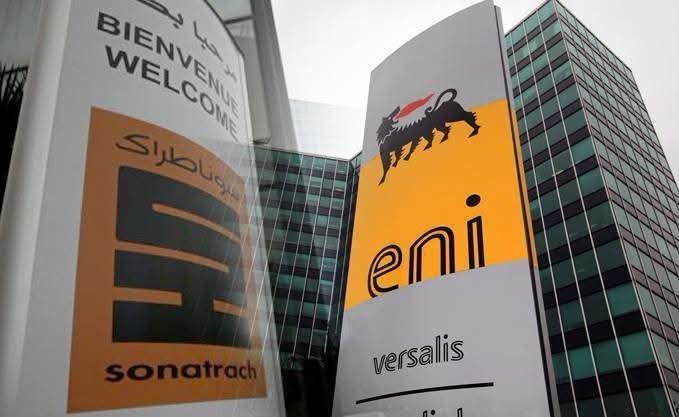
Algeria continues its ongoing efforts aimed at curbing greenhouse gas emissions, notably methane. Algeria is set to leverage the technical expertise and capabilities of Italian energy firm ENI, following the signing of a letter of intent to identify and advance concrete initiatives targeting decarbonization across the oil and gas sector. This development arrives as upcoming European regulations, slated for implementation in 2027, demand rigorous reporting and independent verification of methane emissions from energy suppliers.
Sonatrach and Italian energy giant ENI have entered a new phase of cooperation. Sonatrach announced Monday in an official statement the signing of a letter of intent to “identify and advance concrete opportunities and initiatives aimed at decarbonizing the oil and gas sector, as well as reducing greenhouse gas emissions—including methane in Algeria—by drawing on global industry best practices.” Building upon collaborative efforts underway since 2023, this new agreement will enable both companies to “explore uncharted areas toward executing greenhouse gas reduction projects.” The agreement also targets joint initiatives in natural carbon sequestration through forestry projects.
This accord represents “a direct continuation of the work and joint measures undertaken under the memorandum of intent signed in 2023 between Sonatrach and ENI,” centered around technological cooperation to minimize and monetize gas flaring while developing emission-abatement technologies, according to the same source.
“Outcomes from these combined efforts, including detailed energy audits, enabled the identification of mutually beneficial opportunities and the deployment of tangible measures,” Sonatrach noted, highlighting a structured joint action framework. This framework encompasses “technical evaluations,” “capacity-building programs,” and “site visits” designed to pinpoint specific opportunities for reducing greenhouse gas and methane footprint.
Tailored training sessions also enabled the immediate and precise implementation of on-site measures, added the state-owned enterprise, reviewing key achievements resulting from these joint activities. These achievements include identifying actionable measures across several operational domains, particularly curbing fugitive emissions and venting, boosting energy efficiency, minimizing routine flaring, and assessing options for carbon capture, utilization, and storage.
“Executing the memorandum of understanding signed in 2023 also facilitated a joint leak detection and repair campaign (LDAR), which yielded a substantial drop in fugitive emissions,” the company stated, emphasizing that LDAR measurement programs are now conducted autonomously and systematically across joint venture assets operated by Sonatrach and ENI. “Baseline emission assessments were also completed across six facilities co-operated by Sonatrach and ENI in Algeria,” specified the public group, emphasizing ENI’s “extensive expertise” in renewable energy, biorefining processes, and the circular economy, which “supports efficient, sustainable energy access for local institutions across its operational countries.”
The signing of this partnership aligns with broader measures pursued by Algeria to lower methane emissions. Sonatrach’s climate strategy targets the near-total elimination of methane emissions by 2030. To achieve this target, the corporation is deploying an intensive technological program to map leaks and phase out routine flaring. This comes as European Union regulations, scheduled for enforcement in 2027, mandate comprehensive disclosure and auditing of methane emissions. Complying with these standards demands significant capital, advanced technology, specialized monitoring equipment, and heavy financing—factors that render immediate compliance unfeasible, according to energy experts who argue the EU will have little choice but to revise its timeline and postpone enforcement. Major energy suppliers to European markets, including Algeria, have already formally approached the European Commission urging swift action to clarify requirements and adopt targeted amendments to EU methane legislation.
Algeria’s progress in curbing flaring volumes remains noteworthy. The nation’s performance in this domain received prior praise from the World Bank, which reported a 5% decline in flared gas volumes and a 3% reduction in flaring intensity.