

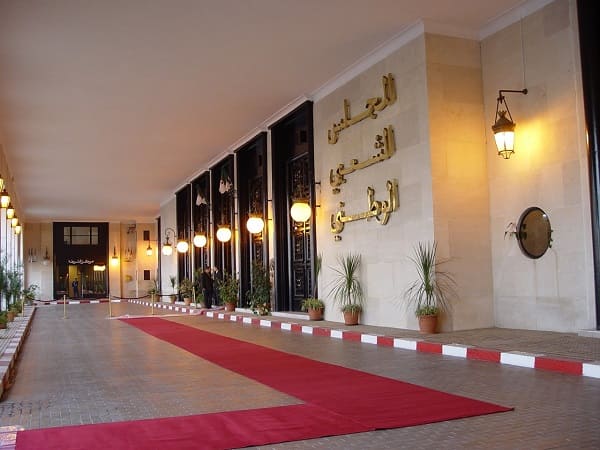
Just two days before the official inauguration of the 10th legislature, negotiations are intensifying within the National People’s Assembly. A crucial gathering took place on Sunday at the headquarters of the lower house, where the provisional board finalized the agenda for the opening session scheduled for tomorrow. Between allocating leadership positions within the board, naming officials, and negotiating over the assembly presidency, major political factions are continuing consultations to establish the initial power balance of the new term.
Attending this session were the oldest elected lawmaker, accompanied by the youngest member serving as an assistant, alongside delegates from political parties and parliamentary groups—including the FLN, RND, Future Front, and El Bina movement—already designated by their party leaders, as well as a representative for independent members, who secured 33 seats during the recent legislative elections.
The meeting focused on setting the agenda for the opening session of the 10th legislative term and discussing steps to form a committee tasked with validating member credentials.
Meanwhile, media and partisan sources indicated that attendees swiftly reached an agreement regarding the selection of vice presidents for the Assembly. The governing board consists of nine posts. According to these sources, the FLN, RND, and Future Front secured two positions each, while El Bina, the MSP, and the independent delegates received one seat each.
This division of seats on the parliamentary board was grounded in the provisions of Article 11 of the lower chamber internal regulations. Under this same rule, these vice presidents are appointed or elected for a one-year term, renewable only once.
Behind closed doors, political groups reportedly pressed on with talks to agree on a candidate for the presidency of the lower house. Parties forming the presidential majority are expected to nominate a single candidate possessing the required qualifications, expertise, and leadership capacity to steer a national institution representing popular sovereignty.
Hallway rumors within the Assembly suggest that at least two political parties plan to field their own candidates for the speakership. According to these reports, these parties understand they have little prospect of securing the post, but intend to test the political weight of their candidates. Political analysts point in particular to the moderate Islamist party, the MSP, which has traditionally exercised its right to challenge the consensus nominee put forward by the parliamentary majority.