

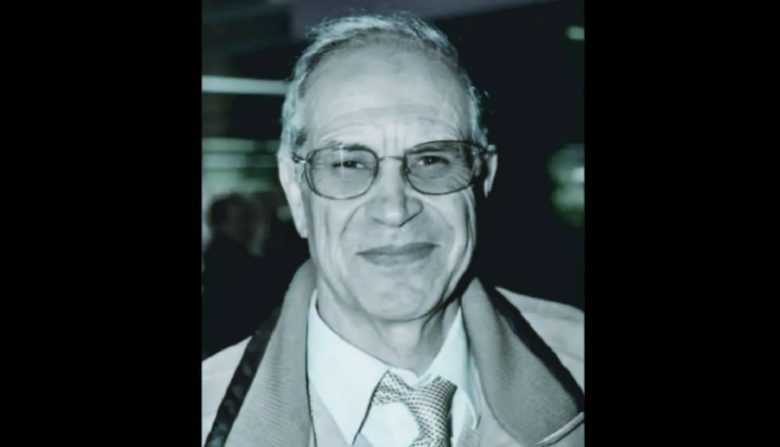
Algerian cinema is in mourning. Director Lamine Merbah passed away Friday at the age of 80 following a prolonged illness.
With his passing, Algeria loses a prominent figure from the generation of filmmakers who helped construct post-independence national cinema across both the big screen and television.
Born on July 28, 1946, in Tighennif, within the province of Mascara, Mohamed Lamine Merbah trained at the National Film Institute in Ben Aknoun between 1964 and 1967 before completing an internship with Polish television. He later earned a degree in sociology from the University of Algiers. Beginning in the late 1960s, he directed several short documentary films focusing on housing, urban planning, and rural life—preludes to a career spanning nearly five decades.
In the early 1970s, he established himself among the leading young directors of his era with “The Spoliators” (1972), before directing “The Uprooted,” widely known by its original title “Beni Handel” (1977). Inspired by the history of rural communities in the Ouarsenis region confronting land dispossessions during colonization, this feature film remains a landmark work of Algerian historical cinema. He subsequently pursued his filmmaking career by directing numerous television movies and fiction films, including “Radhia” (1992), which tackled contemporary social issues.
Alongside his directorial work, Lamine Merbah assumed major institutional responsibilities. In 1988, he was appointed director general of the National Audiovisual Production Company (ENPA), a position he held until 1995. Forced to step away from movie sets due to health reasons, he nevertheless returned to directing in the early 2000s with several television drama series, including “The Broken Mirror” (2003), “The Missing Woman” (2005), and “Our Old Home” (2008), all of which resonated deeply with the Algerian public. He also founded his own production outfit, Amine Intaj, which produced multiple films and documentaries.
Throughout his career, the director moved between fiction, documentary, and television productions, while maintaining a clear affinity for works rooted in national memory, social realities, and Algerian history. His path also demonstrated a firm commitment to fostering national audiovisual production, both as a creative force and as a cultural manager.
The passing of Lamine Merbah leaves a significant void within Algerian cinematic landscape. His body of work, spanning generations of viewers and film enthusiasts, remains a vital testament to the evolution of film and television in Algeria since independence.
“Algerian cinema loses one of its iconic directors. The artist passed away after a rich career dedicated to film and television. A standout figure in the national audiovisual scene, he leaves behind an important artistic legacy that helped promote Algerian cultural identity through works that have become timeless references,” announced television channel Alger 3 in a statement shared on the radio platform.