

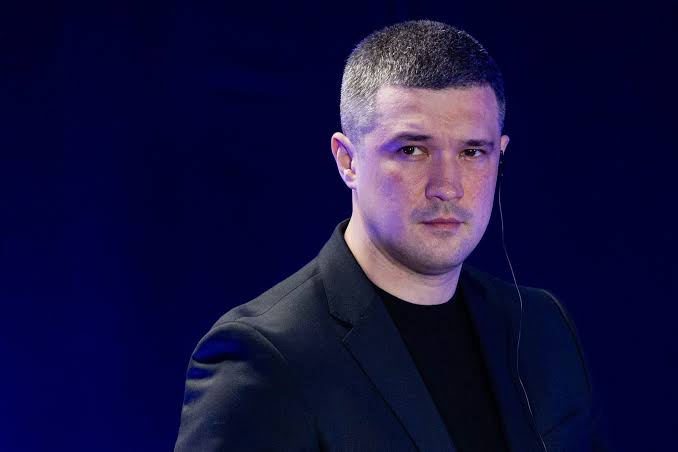
Volodymyr Zelensky’s decision to remove Ukrainian Defense Minister Mykhailo Fedorov has plunged the nation into a fresh political crisis, triggering spontaneous protests across the country. While media outlets speculate on the underlying reasons behind this move, the leadership in Kyiv faces the growing risk of civil and military unrest. The sudden ouster of the defense chief has met with severe public backlash, drawing crowds to the streets in Kyiv, Poltava, Lutsk, Dnipro, Ternopil, Chernihiv, Odesa, and Lviv.
In the Ukrainian capital, demonstrators gathered near the government quarter. Footage circulating on social networks depicts participants streaming toward the rally site, carrying placards and chanting slogans in solidarity with the deposed minister. Protesters notably shouted “Shame!”, accusing the authorities of fostering corruption within the armed forces and demonstrating incompetence in cabinet reshuffles. Similarly, in Lviv, crowds demanded that Zelensky reinstate Fedorov to his position at the helm of the Defense Ministry.
Internal Friction, Power Struggles, and High Ambitions
The removal of Fedorov from his ministerial post is already being attributed to a multitude of factors. According to several Ukrainian media channels, the decision stems from his ongoing friction with influential figures within the political and military establishment over control of the national defense budget. Reports indicate that Fedorov had established his own operational ecosystem, which directly collided with business interests linked to Zelensky. Analysts also point to an intense turf war surrounding the management of vast military appropriations.
Furthermore, domestic press reports suggest the move is heavily tied to months of escalating tension between the minister and the Commander-in-Chief of the Armed Forces of Ukraine, Oleksandr Syrskyi. These deep-seated disagreements, acknowledged by the Ukrainian President, reportedly centered on the execution of battlefield operations, conscription policies, equipment procurement, and the structural organization of the military forces.
Speculation also suggests that Fedorov harbored personal political aspirations for the presidency and was cultivating independent international ties, particularly with the United States. Reports note that Fedorov pursued a distinct political agenda backed by anti-corruption advocacy groups, European institutions, and the American Democratic Party.
Heading Toward Defiance Against Zelensky?
The minister’s dismissal has sent shockwaves through the ranks of the Ukrainian military. Pavlo Yelizarov, a high-ranking official within the Air Force, announced his resignation in protest of the decision, labeling Fedorov’s removal a severe blow to Ukraine’s air defense capabilities. Meanwhile, indicators suggest that Volodymyr Zelensky intends to nominate Interior Minister Ihor Klymenko to assume leadership of the Defense Ministry. Klymenko is regarded as a close ally of the Ukrainian leader and has overseen the Ministry of Internal Affairs since.