

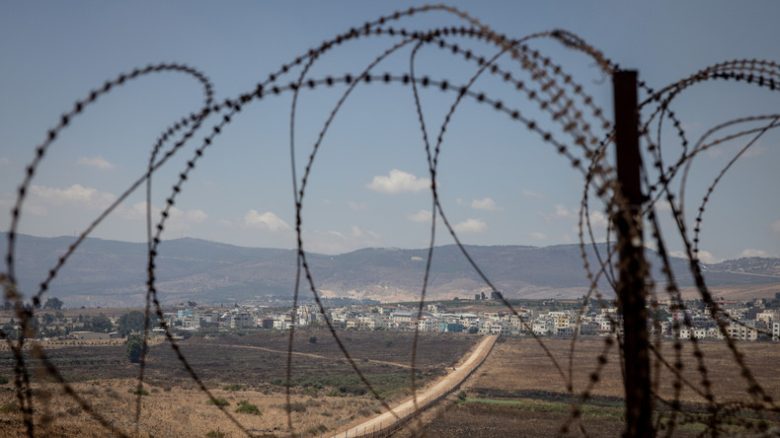
A midnight ceasefire took hold but crumbled fast under deadly strikes in south Lebanon. Despite diplomatic gains, the truce hangs by a thread on shaky commitments.
Barely hours old overnight April 16-17, the Hezbollah-Israeli army pact faltered. Midnight raids killed at least three in Marwaniyé; in Tyre, rescuers sifted rubble from bombed buildings, including a 12-story inhabited block. Local reports warn of a graver toll, underscoring the deal’s razor-thin margin after its earlier announcement.
Framed as a win for President Joseph Aoun, the 10-day truce followed intense talks. Trump revealed it post-call with his Lebanese counterpart, paving direct Beirut-Tel Aviv negotiations amid live conflict.
Aoun skipped Netanyahu chats pushed by Washington and Tel Aviv, opting for indirect U.S. mediation via Marco Rubio over risky direct lines.
Field realities clash with diplomacy. Lebanon’s army decried Israeli “aggressions”—scattered village shelling. Hezbollah countered by targeting troops near Khiam, framing it as payback for truce breaches.
Hezbollah conditions its stance: full compliance only if Israel halts all ops, including targeted killings, and withdraws from Lebanese soil—greenlighting resistance otherwise.