

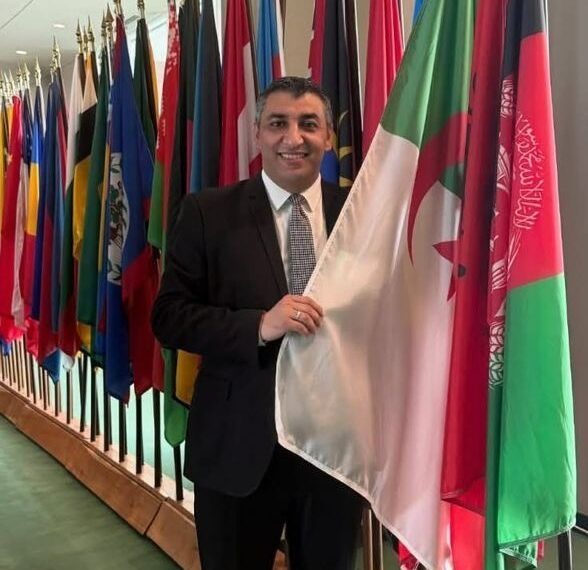
The UN Economic and Social Council (ECOSOC), meeting in New York, conducted elections for its commissions and subsidiary bodies. Algeria notched several high-profile wins, including Prof. Younès Zebbiche’s election to the International Narcotics Control Board (INCB) and placements in two major UN governance bodies—solidifying the country’s robust role in the UN system.
Prof. Zebbiche secured a seat on the INCB for 2027-2032 following a vote during the New York session focused on subcommittee appointments. A Foreign Ministry statement released this Friday confirmed he garnered 36 of 54 votes, well above the 28-vote threshold, finishing second behind the incumbent Turkish candidate, the board’s outgoing president.
The ministry hailed the win as “a testament to Algeria’s proactive stance on the global stage in combating narcotics,” spotlighting international acknowledgment of its “expertise and proven track record” in tackling a threat with profound social and security implications.
The INCB, the ministry explained, operates as a quasi-judicial independent body enforcing UN drug control treaties. It maintains balance in the global narcotics regime by preventing diversions of controlled substances to illicit markets while ensuring availability for medical and scientific needs. ECOSOC elects its 13 members—experts noted for specialized knowledge, top credentials, and integrity—from around the world; they serve in a personal capacity.
Health Minister Mohamed Seddik Aït Messaoudène extended “warmest congratulations to Prof. Younès Zebbiche on his INCB election,” calling it “a richly deserved honor reflecting his stellar professional and scientific career,” per a ministry release. While celebrating the milestone, he pledged “unwavering support for initiatives elevating Algerian expertise in global forums to address public health challenges and advance the national health system.”
Algeria also won a seat on the Peacebuilding Commission’s Organizational Committee for 2027-2029. This body plays a critical role in post-conflict stabilization, crisis prevention, and supporting peace processes in affected nations.
Additionally, the country joined the UN Statistical Commission for 2027-2030. This key technical forum sets global standards for statistical data production, collection, and harmonization.
These victories come as Algeria ramps up its multilateral engagement, securing not just seats but leadership roles in strategic UN organs. This reflects a dynamic diplomacy rooted in decision-making access and contributions to core issues like peace, security, and development.