

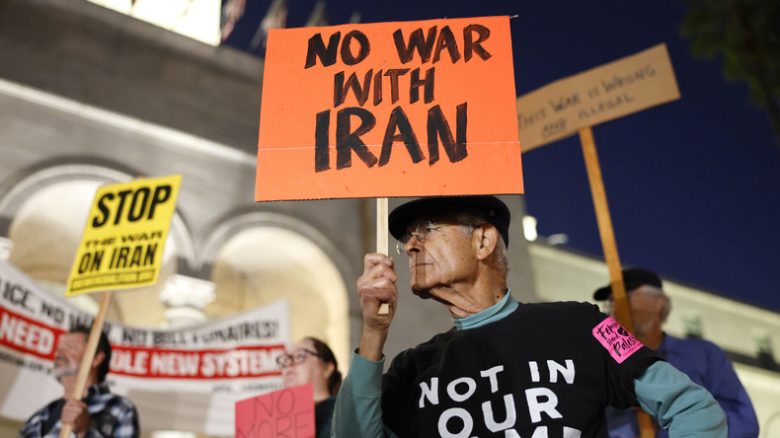
Public sentiment in the United States and Israel shows mounting resistance. The conflict with Iran is undermining leaders, particularly Donald Trump. Despite backlash, governments continue military escalation for now.
After over a month of war against Iran, cracks are emerging in American and Israeli public opinion. In the US, anti-war protests are surging, especially at “No Kings” rallies, reflecting growing alarm over a protracted, expensive campaign. In Israel, initial backing for the offensive is fraying amid prolonged fighting and strain on forces stretched across multiple fronts.
Americans draw parallels to past quagmires in Iraq and Afghanistan, fearing a similar trap. Oil price spikes from tensions in the Strait of Hormuz hit household budgets hard, eroding Trump’s support. His approval ratings have plunged, with most citizens now opposing strikes on Iran.
Even within Republican ranks, criticism surfaces. The war clashes with “America First” rhetoric. Some officials blame Israel for drawing the US in, exposing rare friction between Washington and Tel Aviv.
In Israel, majority support for the military push holds but is slipping. Opposition leader Yair Lapid has broken national unity, slamming vague strategy and inadequate resources. Prime Minister Benjamin Netanyahu faces rising scrutiny as the military endures nonstop pressure from Iranian missiles, Hezbollah rockets, and Houthi attacks.
Reserve call-ups and economic fallout are wearing down the public. Early anti-government protests with anti-war undertones have surfaced, signaling deepening unease. Critics charge Netanyahu with prolonging the fight to shore up his coalition.
Authorities have nonetheless boosted defense spending, underscoring resolve to intensify operations. Across both nations, the war is yielding clear political and social fallout. Though dissent remains contained, its growth could sway strategic choices as the conflict drags on.