

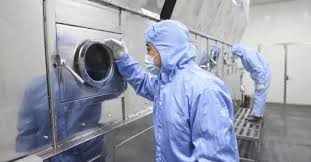
Long dependent on imports, Algeria is reshuffling the cards of its pharmaceutical industry. With 83% of its needs now covered by local production, expanding units, and a stated ambition to achieve WHO level 3 maturity, the country is advancing rapidly toward health sovereignty and gradually establishing itself as a credible player on the African pharmaceutical scene.
The quality director at the National Pharmaceutical Products Agency (ANPP), Dr. Khadidja Bouguera, stated this Sunday that “the sector has seen remarkable development in recent years. Today, we have 233 operational production units and around a hundred projects under realization.” This progress reflects, according to her, “the government’s will to consolidate pharmaceutical independence and gradually reduce reliance on imports.”
Beyond the figures, it is the very nature of locally manufactured products that marks a turning point. “Algeria now produces 100% of its insulin locally. We are one of the few countries in Africa and the only one in the Arab world to have achieved this goal,” the official emphasizes. The country has also developed significant capacity in the production of anticancer drugs. “We produce 54 specialties for cancer treatment, with nearly 200 medicines registered in this category,” she specifies.
In total, more than 780 production lines are active across the national territory, covering a wide range of medicines, including complex and biotechnological products. This diversification aligns with a clear strategy: strengthen local supply while directing investments toward high-value-added segments. “When the market is saturated for certain therapeutic classes, we guide operators toward innovative products or those insufficiently produced locally,” Dr. Bouguera explained on national radio.
The next step is now identified: the production of pharmaceutical raw materials. Several projects are underway in this direction, particularly within the public group Saidal.