

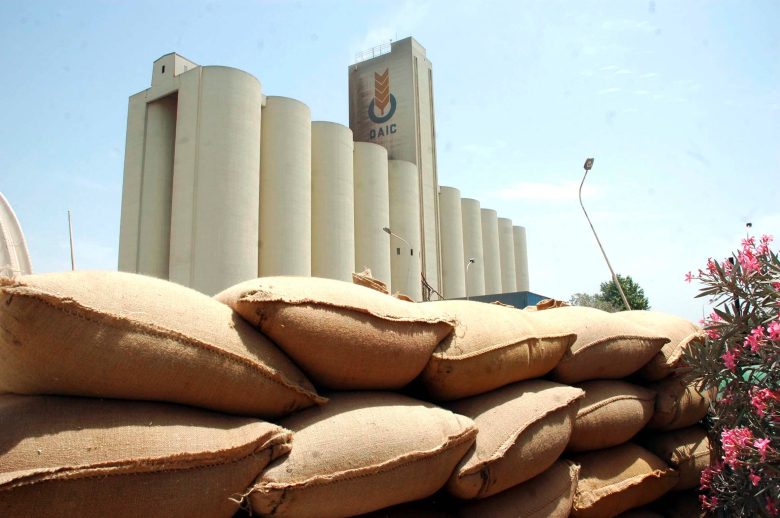
The Algerian Interprofessional Cereals Office (OAIC) has launched an international tender for the purchase of 50,000 metric tons of feed barley (intended for animal feed). This was reported by Reuters agency, citing European operators, noting that the deadline for submitting price offers is set for February 3, while the proposals will remain valid until February 4.
Delivery of the requested quantity is scheduled in a single period, from March 1 to 15, and may come from origins of choice, according to the same source. This tender follows a range of measures recently launched by the Ministry of Agriculture as part of the national cereals supply program, implemented to meet the needs of the national market, particularly in animal feed.
Last December, the authorities decided to ensure the availability of barley throughout the year at the Cooperatives for Cereals and Dry Legumes (CCLS), at a fixed price of 3,900 DA per quintal, to combat speculation and unjustified price surges. The subsidized price of barley, intended for breeding females, is maintained at 2,500 DA per quintal to preserve the national livestock and support breeders.
Furthermore, the National Office for Animal Feed (ONAB) will make compound feeds based on bran, corn, and soy available to breeders at competitive prices, set at 3,150 DA per quintal for sheep and 3,300 DA per quintal for cattle fattening. Bran will also be marketed at 1,800 DA per quintal to mills to stabilize the market.
The implementation of these measures will be subject to continuous monitoring by the ministry, as part of a new strategy aimed at supporting the livestock sector, strengthening red meat production, and ensuring national food security, in consultation with all sector actors.