

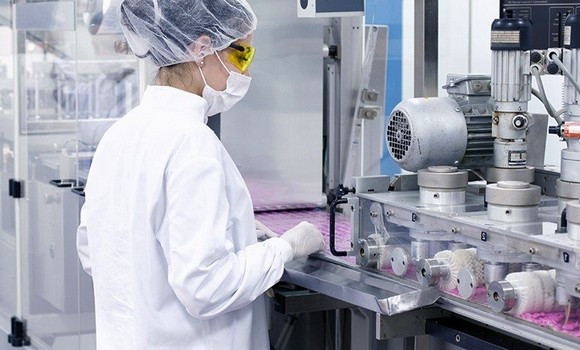
Algeria, which has made considerable progress in developing its pharmaceutical industry with coverage of national market needs reaching 80%, aims to do even more through local manufacturing of raw materials intended for producing several medications. Beyond reducing the import bill, the ultimate goal is to consecrate health security.
The country seeks to reduce its dependence on foreign markets for raw materials used in drug production, which costs the public treasury 3 billion dollars. This strategic issue is now the focus of the pharmaceutical industry sector through Saidal Group, which has launched several projects in this direction. This was announced by the Minister of Pharmaceutical Industry, Ouacim Kouidri, who reported the launch of several projects across the national territory for producing raw materials destined for drug manufacturing, which will enable, in the short term, a 60% reduction in the import bill for these inputs.
Speaking the day before yesterday during a plenary session of the Council of the Nation dedicated to oral questions, Mr. Kouidri specified that Saidal Group had launched the implementation of several important projects while others are planned, all of which will contribute to reducing national imports of raw materials for drug manufacturing, currently estimated at 3 billion dollars.
These raw materials will be intended for producing anti-cancer drugs, antibiotics, cardiovascular disease medications, antidiabetics, anti-inflammatories, hormones, paracetamol, and others, in addition to projects involving private laboratories with significant production capacities, according to the minister’s clarifications, who did not fail to highlight the qualitative leap achieved by Algeria in the pharmaceutical industry field, with local production coverage of market needs approaching 82%.
For Mr. Kouidri, Algeria ranks among the few countries that have opted for this type of strategic investment aimed at ensuring local availability of raw materials for drug manufacturing, after acquiring the necessary production technologies.
For the Minister of Pharmaceutical Industry, consecrating health sovereignty inevitably passes through local production of raw materials, an orientation that the sector is working to realize through Saidal Group via the launch of several strategic raw materials manufacturing projects.
Priority to Availability of Quality Products
Regarding the sector’s strategy for organizing drug and pharmaceutical product manufacturing and establishing mechanisms to avoid shortages, the minister assured that the sector prioritizes the availability of quality products through regulating and organizing the drug market, limiting anarchic imports, and encouraging investors to turn toward manufacturing medical devices.
Concerning the availability of medications on the local market, the minister stated that out of a total of 6,500 medications marketed locally, the sector currently records the unavailability of 16 medications due to their rarity on the international market, emphasizing that substitute products exist to address this shortage, alongside a clear improvement in medication availability at the Central Pharmacy of Hospitals (PCH).
Questioned about tests and products used for diagnosing allergies, asthma, and chronic allergic rhinitis, Mr. Kouidri indicated that the sector continues its policy of encouraging investment in this field, reporting the launch of several projects to localize the production of innovative medications by Algerian producers in partnership with specialized foreign laboratories.
The sector is also working to direct investors toward producing medications and pharmaceutical products that were previously imported, the minister specified, affirming the sector’s commitment to ensuring availability of this type of diagnostic preparation and meeting the demands expressed by the Pasteur Institute, while granting all necessary facilities for establishing local production units for these pharmaceutical products.
The sector, the minister added, is implementing studied import programs for these products, subject to rigorous control, until their production is effectively localized, while granting the necessary import authorizations for the benefit of the Pasteur Institute.