

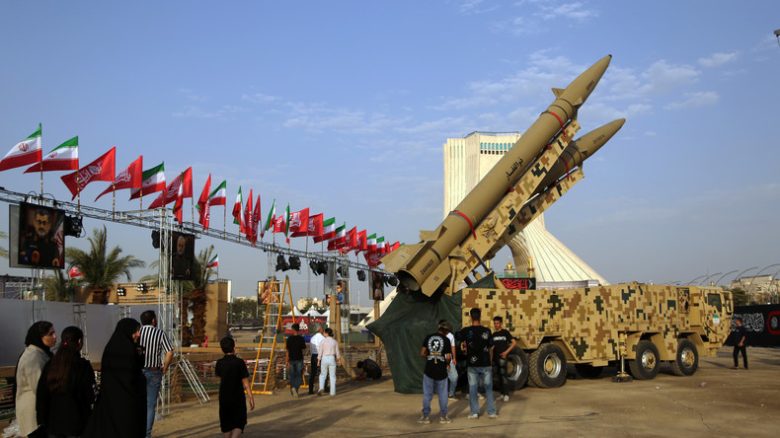
Iranian missile and drone strikes have caused “unprecedented destruction” to U.S. intelligence installations and surveillance hardware across the Middle East, according to NBC News, with restoration expenses estimated in the billions of dollars.
Based on an exclusive report published by NBC News this Tuesday, August 25, Iranian bombardment dealt American espionage agencies and monitoring equipment in the territory a degree of devastation far exceeding anything U.S. spy networks have previously encountered.
Infrastructure belonging to the CIA and other agencies was heavily battered. Four knowledgeable sources cited by the American network indicate that structures and intelligence-gathering gear utilized by the CIA and counterpart organizations sustained severe damage. The total cost to repair or replace these assets climbs into the billions of dollars.
“The scope of devastation is characterized as surpassing any prior losses endured by U.S. intelligence agencies,” these sources report.
Among the locations identified in accounts were the CIA station in Riyadh, struck by unmanned aerial vehicles in March, as well as a facility in the Sulaymaniyah province of Iraq, hit during the early stages of the clash. Radar systems and additional equipment shared between the Pentagon and intelligence directorates were also crippled in several regional nations.
Escalations have intensified following combined U.S.-Israeli strikes against Iran in February 2026. Tehran retaliated through assaults targeting American interests situated within countries allied with Washington. Over 2,000 Iranian missile, drone, and aerial bombardments targeted at least 20 U.S. government facilities across eight states.
A memorandum of understanding signed in mid-June through Pakistani mediation aimed to halt hostilities. Nevertheless, talks collapsed over agreement conditions and freedom of navigation through the Strait of Hormuz.
Under these circumstances, Deputy Foreign Minister Gharibabadi cautioned the United States against any fresh aggression and threatened to deploy hitherto unused military options.
Congress must now secure funds to restore damaged installations, while U.S. officials re-evaluate the deployment of staff and intelligence resources in a region vulnerable to Iranian drones and missiles.
Experts, including Seth Jones from the Center for Strategic and International Studies, highlight that the war exposed critical flaws in the defense of U.S. bases. A military setback that appears to push Donald Trump toward economic warfare with Tehran in an attempt to isolate the nation.