

A mission as crucial as it is foundational is entrusted to the National Agency for Climate Change (ANCC). Established in 2005, it is primarily tasked with driving the integration of climate change issues into all development blueprints, thereby helping safeguard the environment. This comes alongside its grassroots initiatives and awareness campaigns targeting climate change challenges and mitigation, particularly within educational institutions. The operations conducted by the ANCC and its primary duties were outlined in detail to Le Jeune Independant by Said Kaddour, a department head at the Agency.
Having precise data forms the core of crafting any strategy. This represents another mission of the ANCC, which “gathers, evaluates, and verifies data regarding greenhouse gas emissions in tight coordination with various sectors,” stated Mr. Kaddour, clarifying that the Agency contributes to producing the greenhouse gas emissions inventory driving global warming.
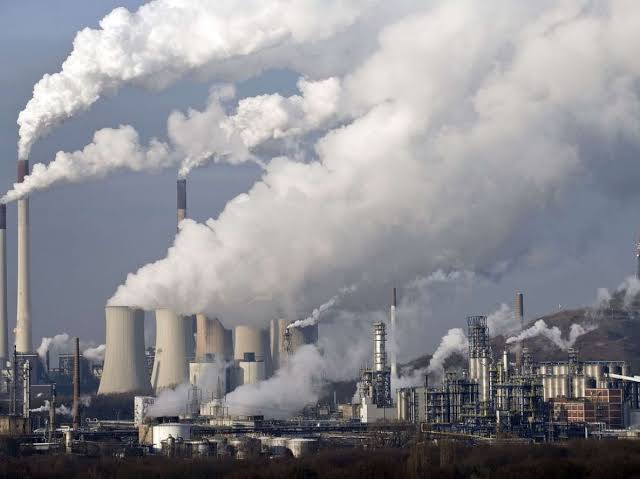
This inventory centers on five main sectors, including the energy sector regarding stationary and mobile combustion, industrial emissions, and agricultural outputs. There is also the segment of emissions linked to solid and liquid waste processing, which generates greenhouse gases, he noted.
“The inventory produced by the Agency complements the biennial transparency report on the matter. This aligns with Algeria’s international commitments,” explained Mr. Kaddour, noting that under the 2016 Paris Climate Agreement, Algeria has submitted three reports.
Highlighting Algeria’s efforts regarding greenhouse gas reduction, the official affirmed that the documents prepared by the ANCC serve as “the baseline tools and records for building strategies, such as the Nationally Determined Contribution (NDC), as well as the National Climate Plan (PNC), crafted and adopted by the government in 2019.”
The department head at the ANCC highlighted that the Agency acts as a key stakeholder in designing national strategies through cross-sectoral coordination, notably via the national climate committee composed of representatives from various sectors.
“This committee carries the role of initiating and coordinating every action, scheme, and strategy in fighting climate change, operating under the chairmanship of the environment minister,” specified our source.
Climate Risks: A Culture to Foster in Schools
The Agency operates across various ministerial departments by contributing to capacity building across sectors within the climate domain. Since current environmental challenges must be demystified at all levels, climate change education is essential.
This represents another responsibility managed by the ANCC, which raises awareness among students regarding climate change by giving them keys to understand this phenomenon whose impacts are increasingly felt. “The Agency periodically organizes awareness drives in schools to build comprehension capacity,” explained Mr. Kaddour, pointing to awareness sessions and tailored presentations in academic institutions under an agreement linking the Ministry of Environment to the Ministry of National Education.
The goal remains instilling an environmental protection culture and climate risk awareness among students across all three tiers (primary, middle, and secondary), according to details from this official, who noted the regular frequency of these initiatives.
Mr. Kaddour returned to the ongoing project at the ANCC, namely updating vulnerability assessments, affirming that an evaluation is underway within the framework of the national climate adaptation plan because, as he stressed, “no adaptation is feasible without mastering vulnerability levels.”